3 hr
Pasta & Tiramisu Cooking Class in Siena with Wine
- Entry ticket
- Mobile voucher
- Valid same day
- Free cancellation
Siena Pasta Cooking Class — Farmhouse Kitchens & Handmade Pici
Flour on the board, Chianti in the glass.
Compare fares, pick the fit — all bookings are mobile-voucher and eligible for free cancellation where shown.
3 hr
4 hr
3 hr 30 min
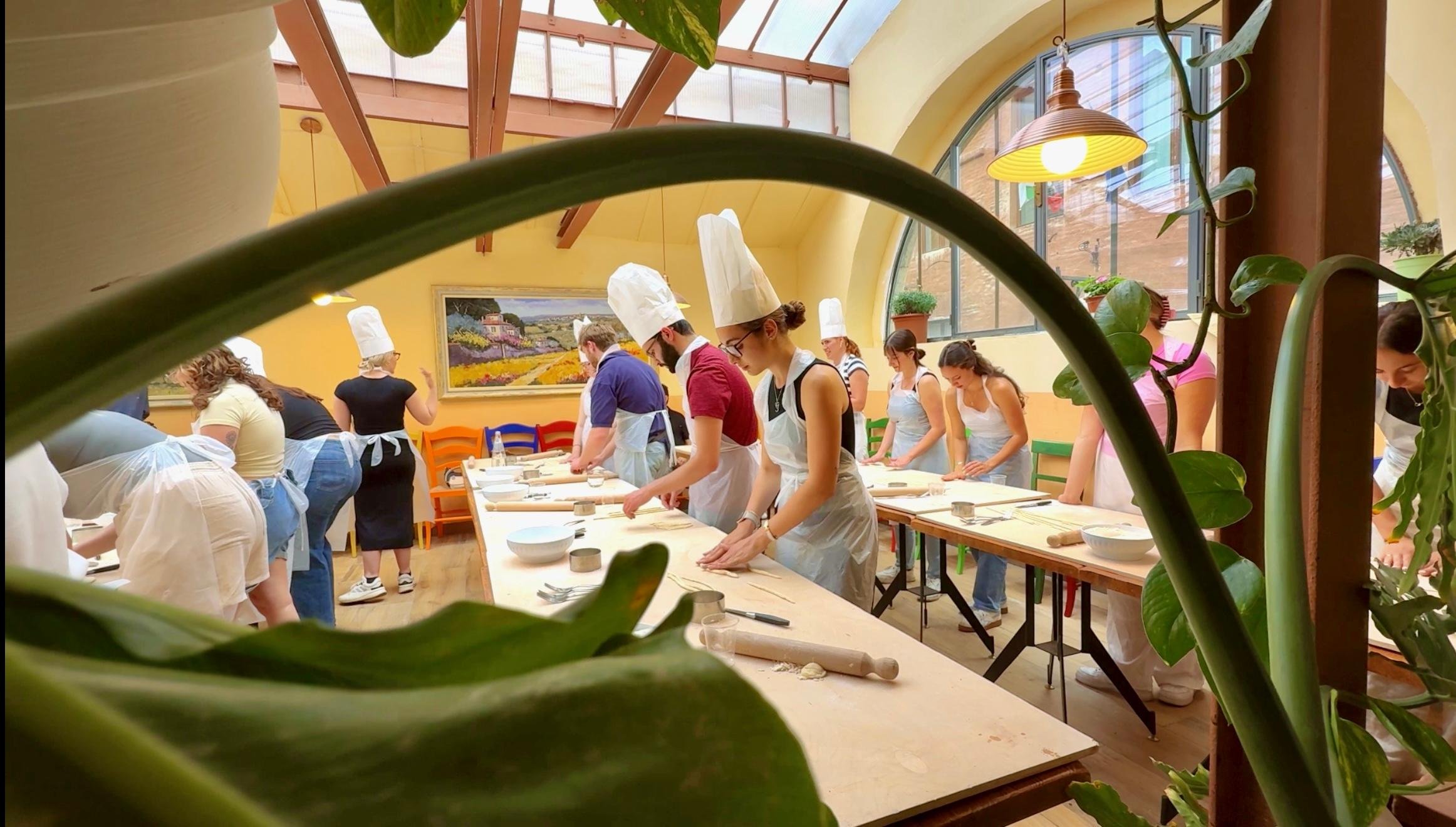
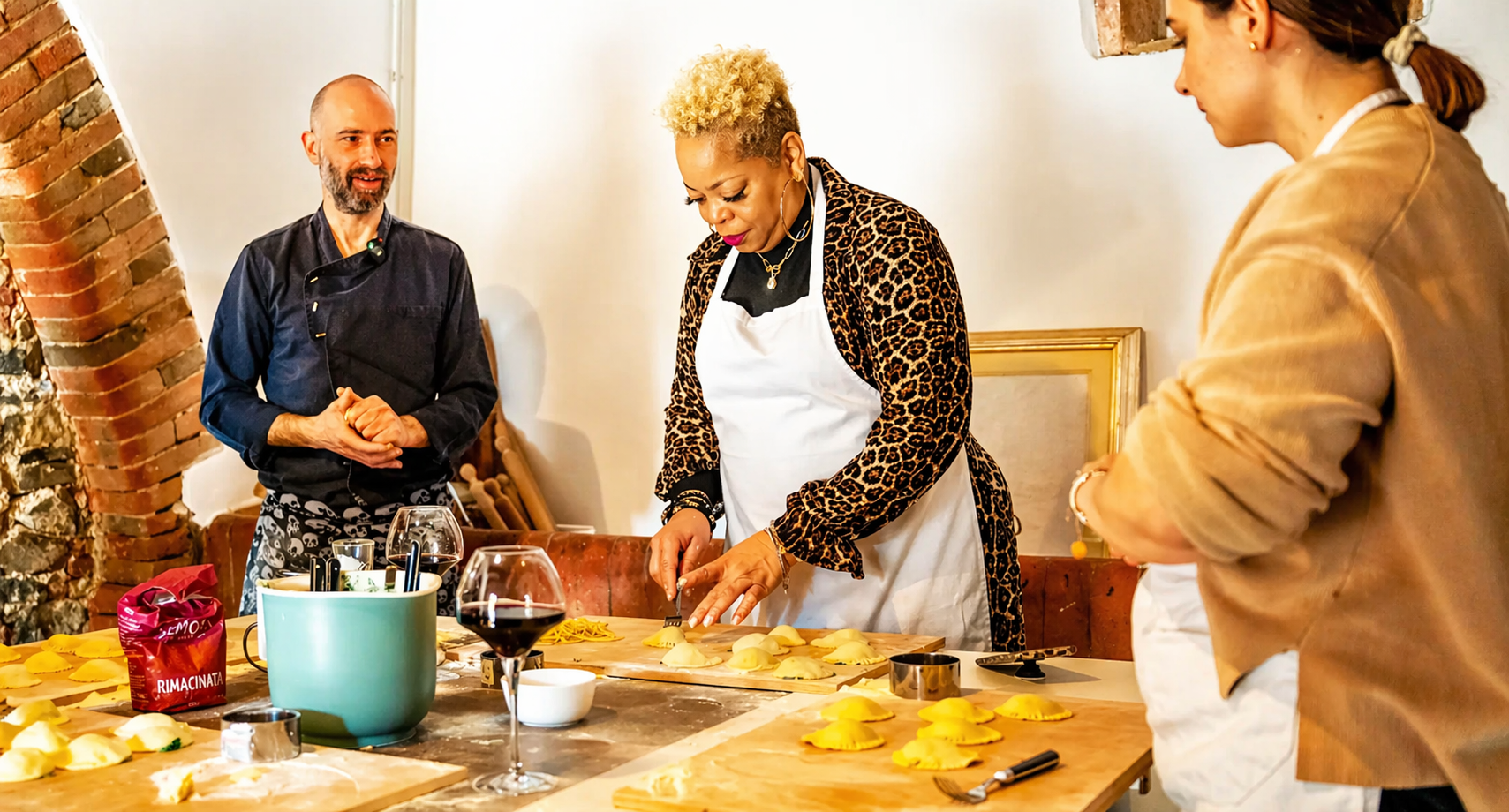
Selecting the right siena pasta cooking class experience depends on your preference for group interaction or private culinary instruction. These hands-on culinary workshops allow travelers to learn traditional Tuscan recipes from local chefs in Siena.
|
Top pick Group Session (Shared kitchen) |
Private Workshop (Exclusive instruction) | |
|---|---|---|
| Cooking Focus | Seasonal pasta dishes | Customized menu selection |
| Group Size | Multiple participants | Single party only |
| Access Method | Pre-booked reservation | Pre-booked reservation |
| Location | Siena city center | Siena city center or estate |
| Duration | 3 to 4 hours | Flexible timing |
| Best for | First-timers | Culinary enthusiasts |
| See tickets & prices |
Verdict: Choose the group siena pasta cooking class tour for a social environment, or opt for private siena pasta cooking class tickets for personalized attention and custom recipes.
Worth it for hands-on cooks, not passive diners
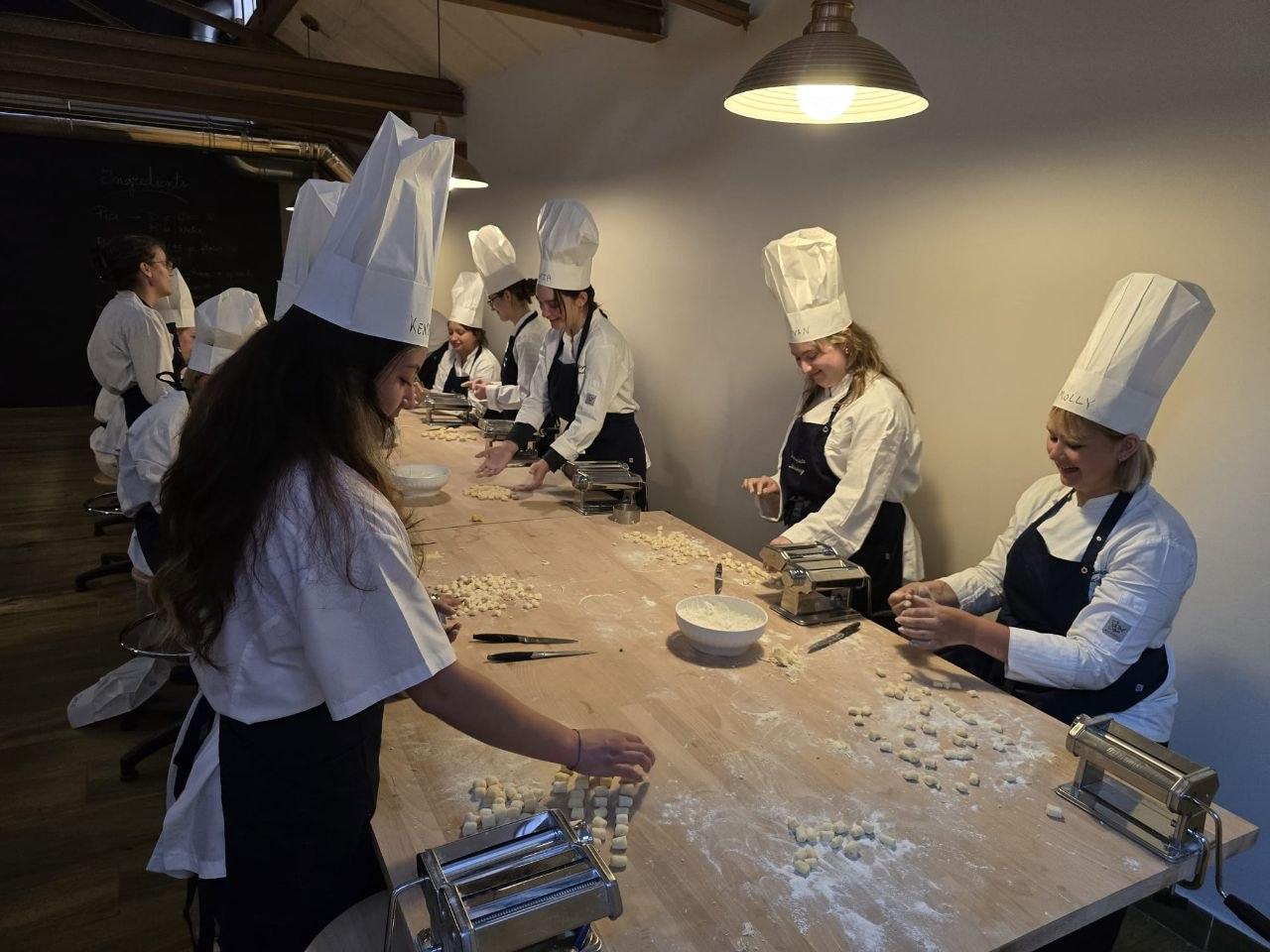
A siena pasta cooking class earns its cost through what the operators actually staff and stock, not through polish. The bookable options here split cleanly: farmhouse formats in the Chianti hills — the Tuscan Farmhouse Cooking Class with Wine Pairing, the Chianti farmhouse session, the Cristiana and Mamma Nora experience — put you in a working kitchen with a host who cooks this way daily, and the wine pairing is poured from estate bottles rather than a token glass. In-town Tuscan cooking classes with handmade pasta, including the Pasta and Tiramisu format, trade the countryside setting for smaller groups and more flour time per person. Value tracks group size above all: eight pairs of hands means you roll your own pici and sfoglia; twenty means you watch. Ask before booking. These siena pasta cooking class tours pay off for travellers who want technique they will repeat at home, and for anyone who treats the meal, the wine and the recipes as one combined dinner-plus-lesson spend.
Bottom line: Book a small-group siena pasta cooking class tour with wine included and you are paying for a dinner that teaches you something; book the biggest group on offer and you are just paying for dinner.
They offer distinct culinary encounters; most visitors find the city-based siena pasta cooking class tours more accessible, while the farmhouse option provides a deeper immersion into regional traditions.
|
Top pick Siena Pasta Cooking Class |
Tuscan Farmhouse Experience | |
|---|---|---|
| Setting | Historic city center | Rural countryside estate |
| Atmosphere | Professional kitchen environment | Rustic open-air kitchen |
| Transit requirements | Walking distance | Private vehicle or taxi required |
| Convenience | High accessibility | Requires rural travel planning |
| Authenticity focus | Culinary technique mastery | Farm-to-table ingredient sourcing |
| Local engagement | Urban market interaction | Vineyard and garden exploration |
| See tickets & prices |
Verdict: Choose the siena pasta cooking class tour for logistical ease, or select the farmhouse experience to learn culinary skills using local flour and fresh eggs in a traditional landscape.
Hand-picked experiences loved by thousands of travelers
5.5 hours
Free Cancellation
Master traditional pasta-making techniques at an authentic early 1900s Tuscan farmhouse with local hosts
3.5 hours
Free Cancellation
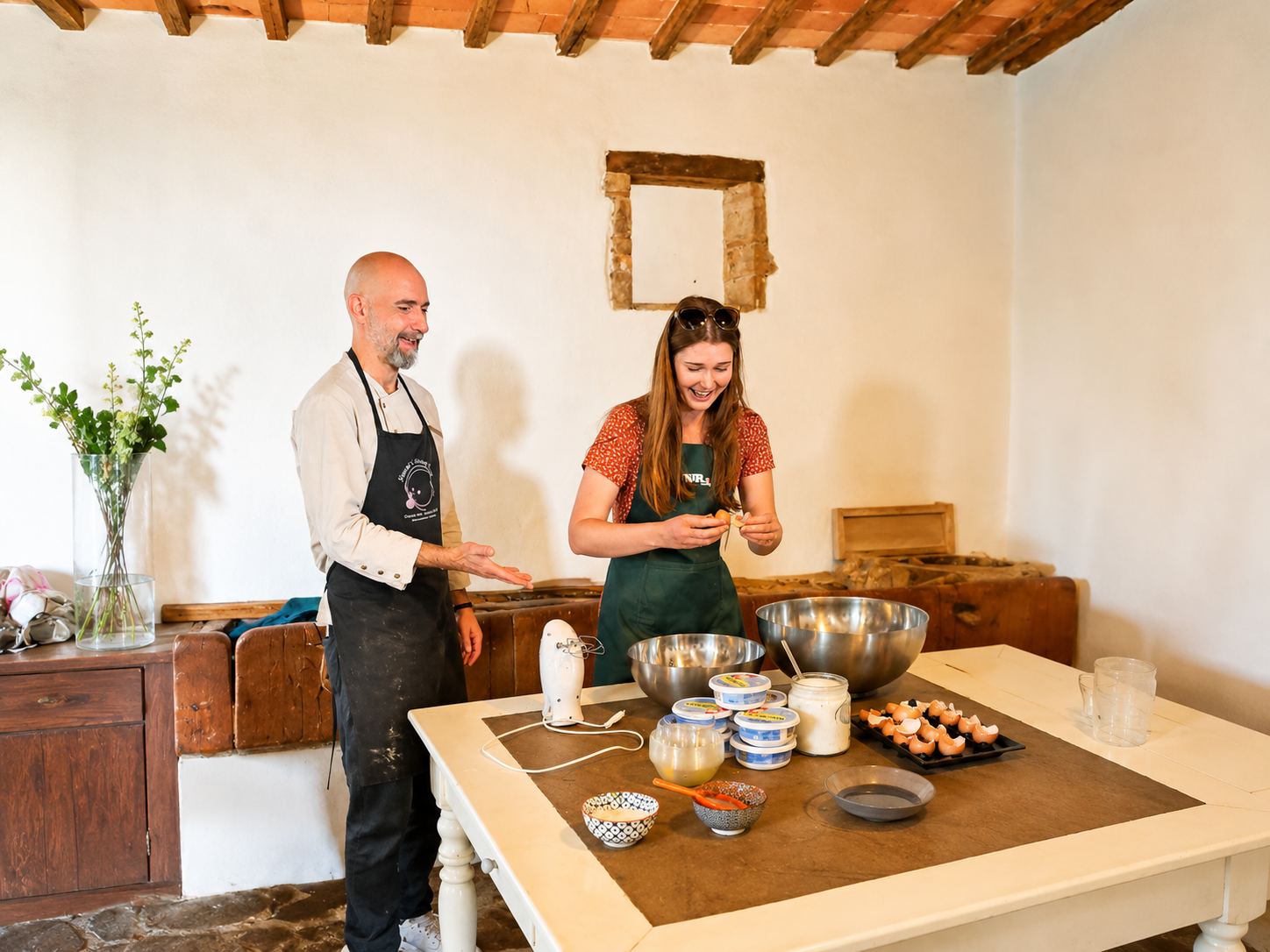
Learn authentic Tuscan recipes from Chef Francesco and craft your own fresh pasta in this hands-on culinary workshop.
4 hours
Free Cancellation
Master authentic Italian recipes at a family-run farm, then feast on your handmade creations
2 hours
Free Cancellation
Master traditional pasta-making techniques in a 16th-century barn, then savor your creations with local wines
3 hours
Free Cancellation
Cook authentic Italian pasta and tiramisu in a restored 16th-century barn, then feast on your creations
4 hours
Free Cancellation
Master traditional pasta-making in an 18th-century Tuscan farmhouse with a chef and sommelier
4 hours
Free Cancellation
Master Italian classics at a countryside farm with a pro chef, wine, and stunning hill views
4.5 hours
Free Cancellation
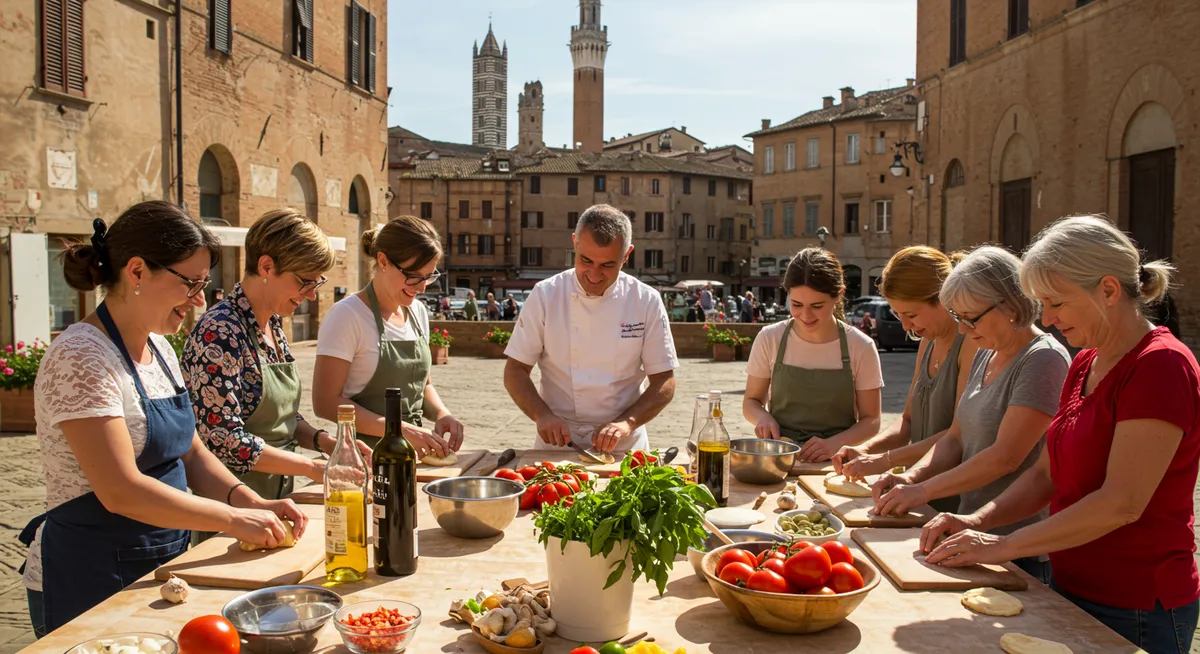
Master authentic Tuscan recipes in a hands-on class, then feast on your creations with wine overlooking Siena's main square
You leave the walls of Siena mid-morning, and within twenty minutes the road climbs into the Chianti hills, cypresses standing in single file along the ridge. A farmhouse gate opens. Someone hands you an apron and a glass of water, and you wash your hands at a stone sink older than most kitchens you have stood in.
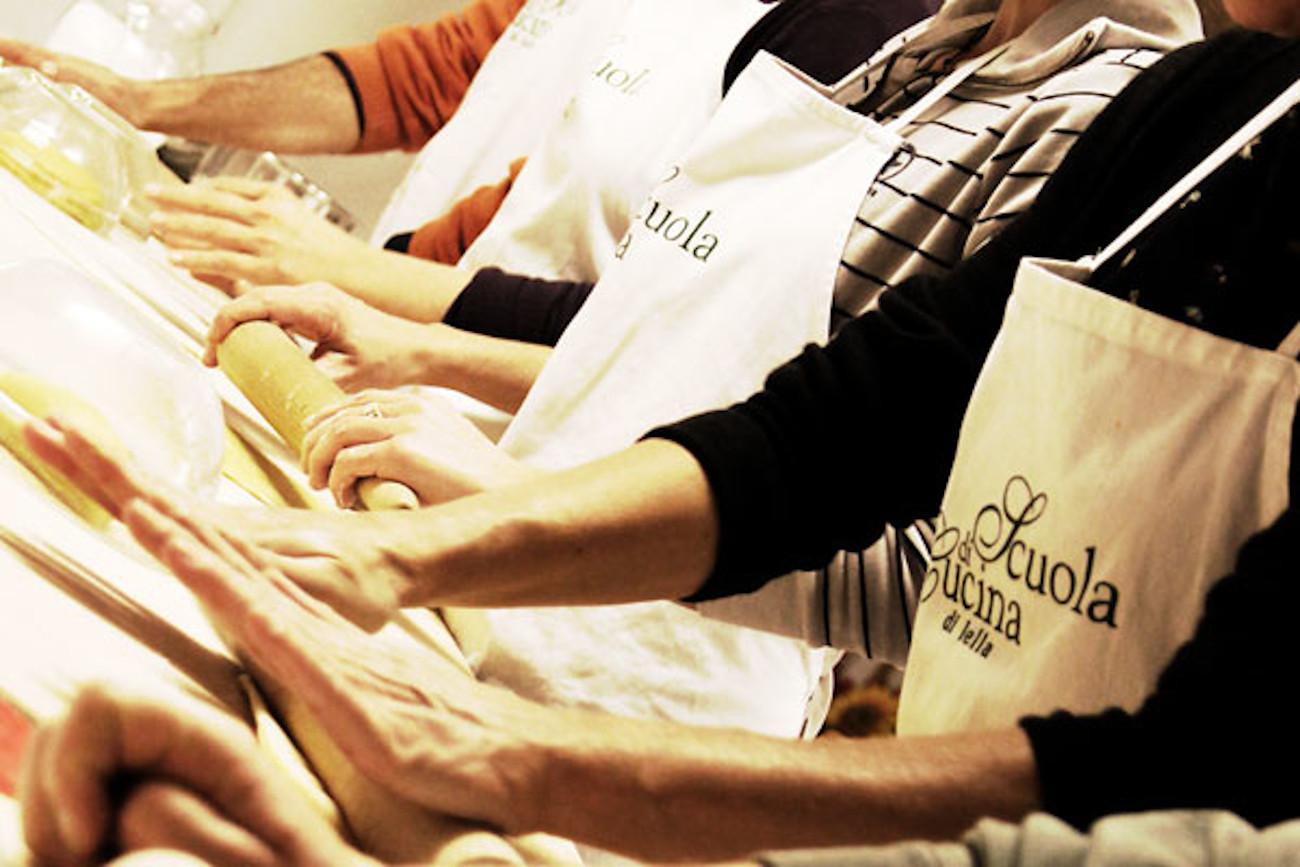
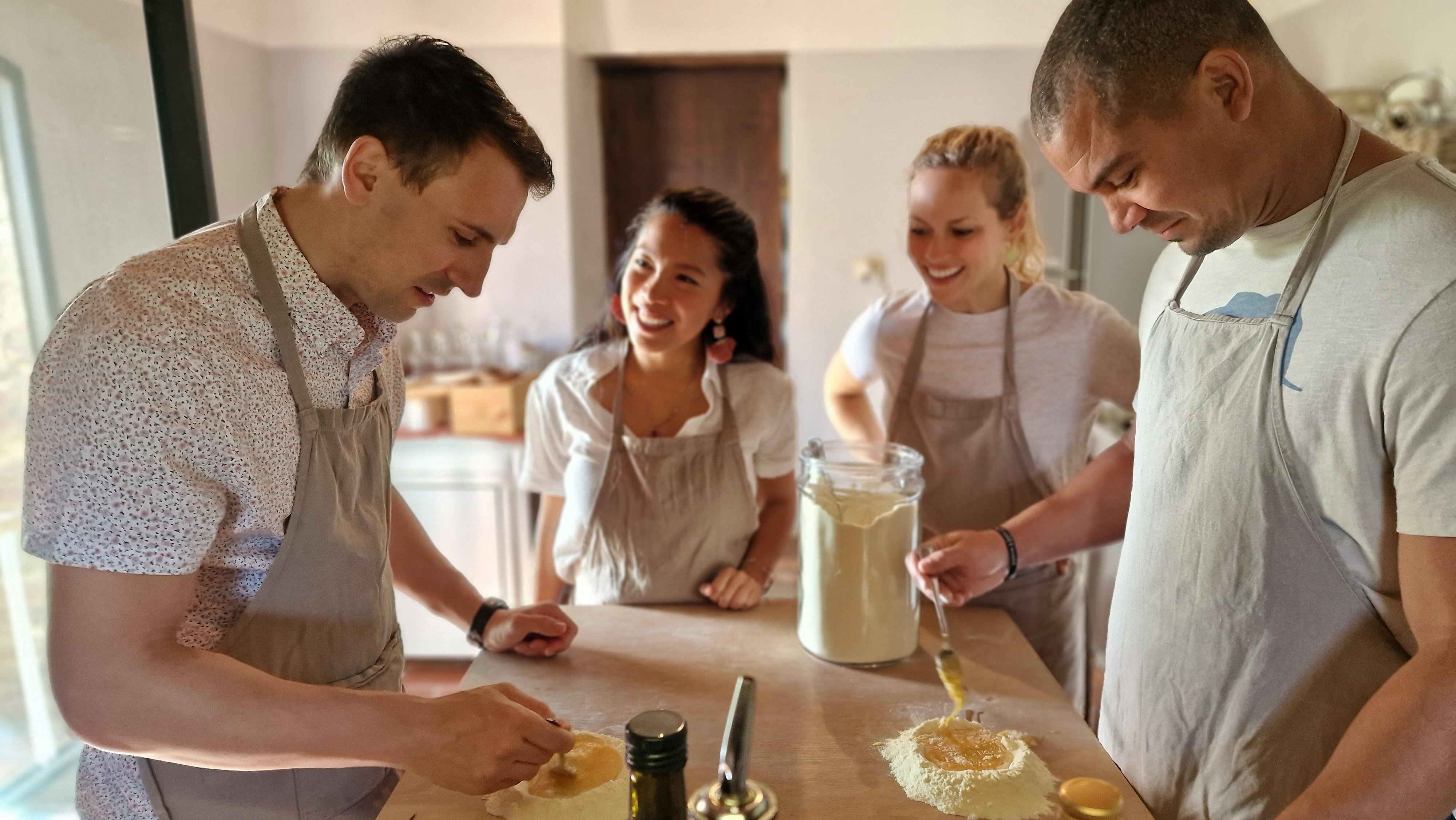
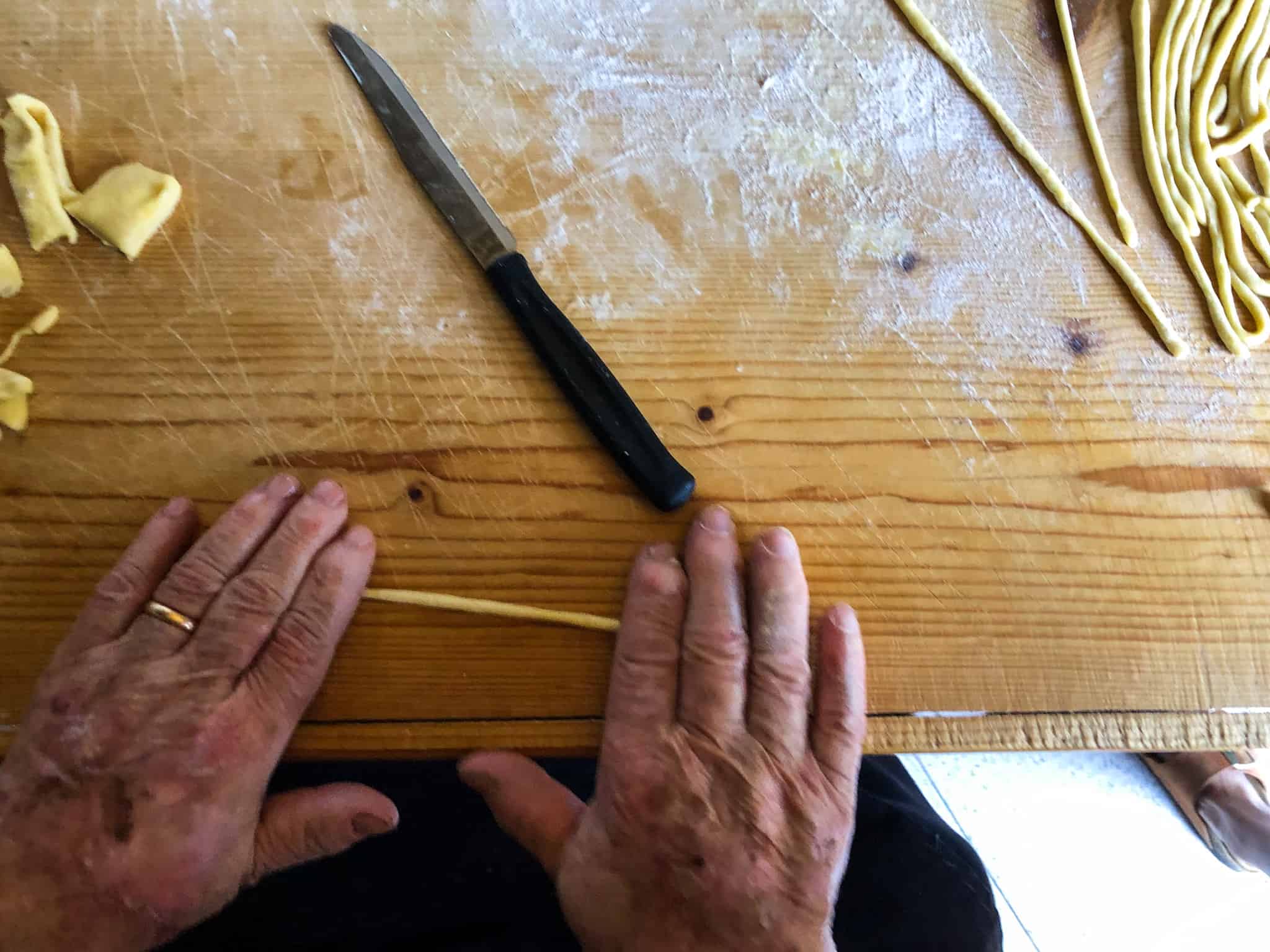
You start with the flour. It goes onto marble in a low mound, and you press a well into the centre with your knuckles. Water goes in slowly. You fold, you push with the heel of your hand, you turn the dough ninety degrees and push again — ten minutes of it, until the surface goes smooth. Then you cut strips and roll each one under your palms into pici, uneven and slightly tapered, which is exactly right. Your neighbour's are thinner. Nobody minds.
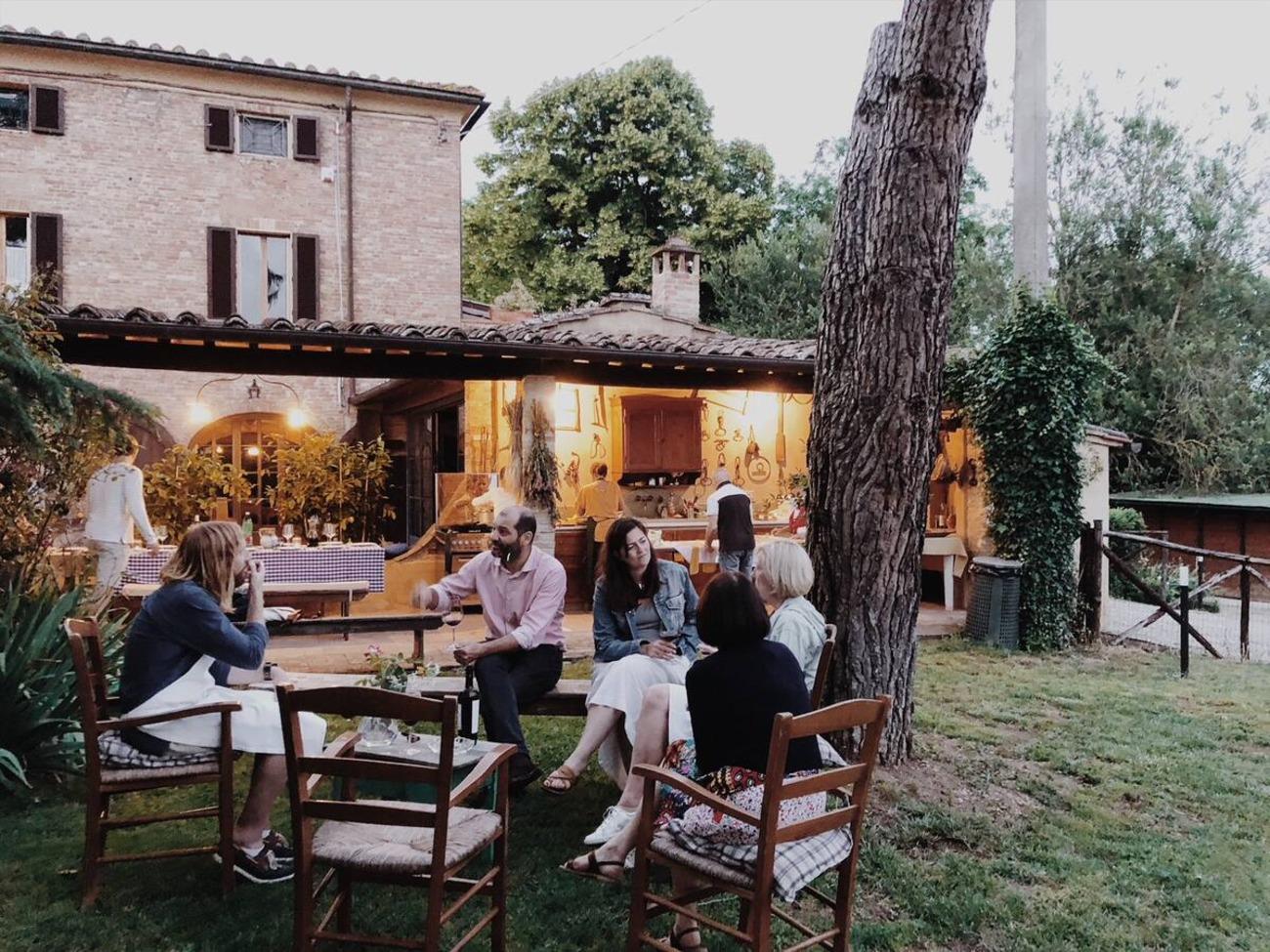
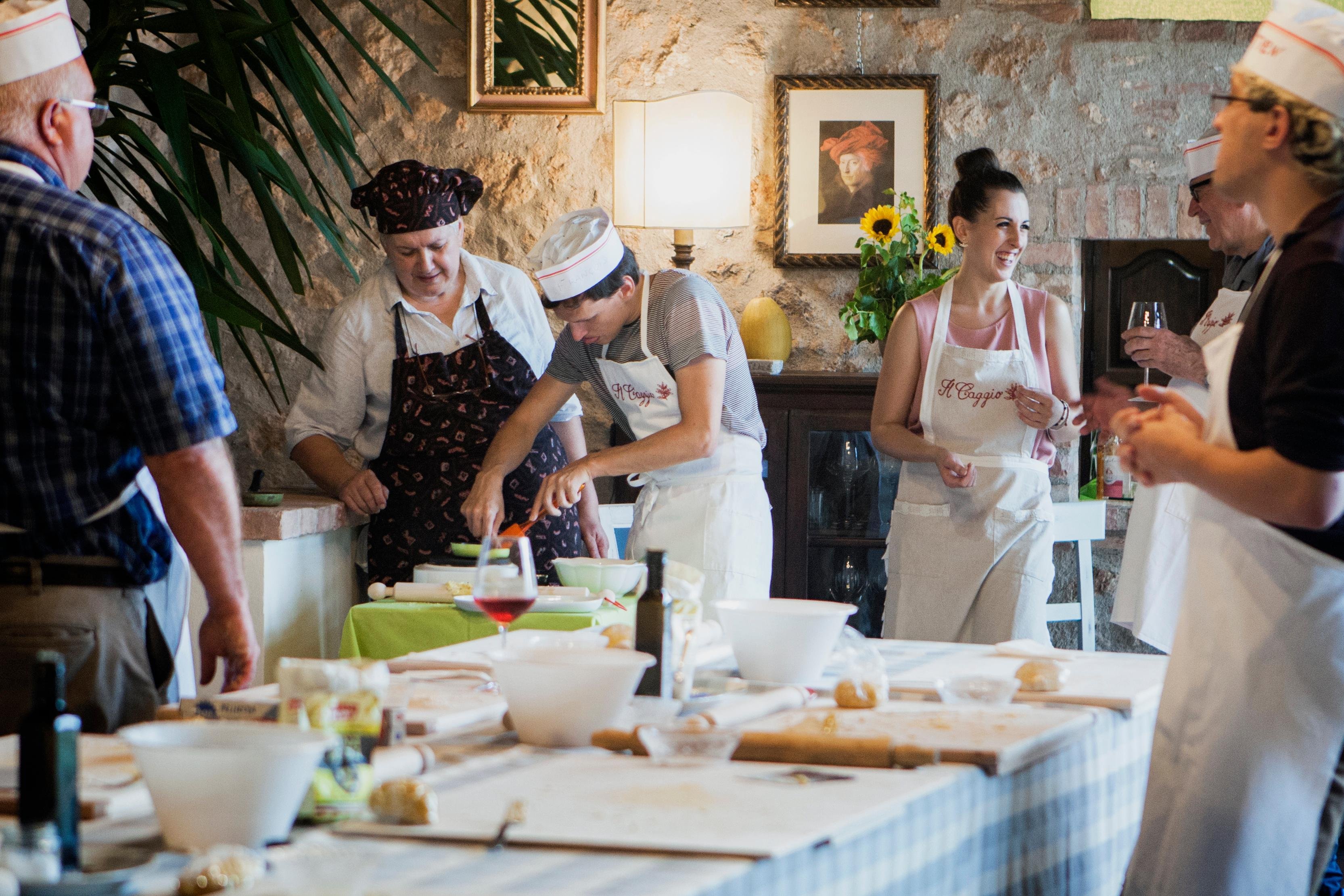
While the pot comes to the boil you help with the sauce, and someone pours a Chianti from the estate below. You eat at a long table on the terrace with the hills going gold. If tiramisu is on the menu, you layer it yourself, one soaked savoiardo at a time. A siena pasta cooking class ends the way it began — unhurried, at a table. You leave with the recipes and flour still under your nails.
All the details about your upcoming adventure in one place
Pici, the thick hand-rolled noodle that defines the Sienese table, contains no eggs — only flour, water and the pressure of a palm. It is a pasta born of scarcity.
Etruscan tomb frescoes near Chiusi, less than an hour south, depict tools that food historians read as early pasta-making implements, and the shape has survived in the Val d'Orcia and the Crete Senesi with almost no alteration since the medieval communes.
Siena's culinary identity was shaped by isolation. The republic's defeat by Florence in 1555 froze the city architecturally and economically, and the contado — the belt of farmland ringing the walls — turned inward. Cooks worked with what the clay hills gave them: durum wheat, pecorino from Pienza, cinta senese pork, olive oil pressed at the estate, and Sangiovese grapes from the Chianti Classico zone immediately north. A siena pasta cooking class today teaches a repertoire that was never written down for outsiders, only repeated across kitchen tables.
The farmhouses that host these sessions are themselves documents. Many occupy podere buildings from the mezzadria sharecropping system, a land-tenure arrangement that governed Tuscan agriculture until it was formally abolished in 1964. Thick stone walls, a single vast fireplace, a terracotta-tiled kitchen with a marble worktop for rolling — the architecture was built around food production, not hospitality. Wine cellars sit below, where the estate's Chianti ages in Slavonian oak.
What gives the format its weight is the transmission itself. Nonne and daughters teach in the same rooms where the technique was learned, and the gestures are unglamorous: the well of flour, the fold, the roll, the flick of the wrist that gives pici its uneven taper. Guests learn ragù, pappa al pomodoro, sometimes tiramisu, alongside the pasta. The recipes carry the Slow Food ethos that was born in this region in the 1980s as a direct answer to industrial eating.
Siena remains a UNESCO World Heritage site, its Piazza del Campo and the Duomo drawing crowds that rarely leave the walls. The kitchens sit a short drive beyond them, in the Chianti hills where the Palio's contrade once sourced their feast tables. Siena pasta cooking class tours have become the way visitors reach that landscape at eye level. Admission to the city itself costs 0 EUR, and the surrounding countryside asks nothing but time.

Pici is a pasta born of scarcity — flour, water, and the pressure of a palm.
Casual and comfortable attire is recommended for a siena pasta cooking class, as you will be standing and working with flour.
Secure storage for personal items is typically provided by the siena pasta cooking class host during your session.
Photography of the cooking process is generally encouraged during your siena pasta cooking class tour.
Children are welcome at most sessions, though age restrictions may apply to a siena pasta cooking class depending on the provider.
While many venues in Siena are historic, please inquire if your chosen siena pasta cooking class location offers step-free access.
You will consume the dishes you prepare during your siena pasta cooking class, with water and local wine typically included.
Operating Hours
09:00–18:00
Address
Siena, Italy
Entry Fee
0 EUR (Free entry; individual cooking class providers set their own fees)
Arrival Window
09:00–17:00
Service Type
Pre-booked culinary workshops
Walk · N/A · Free
The historic center is pedestrian-friendly and best navigated on foot.
Bus · 10 min · 2-5 EUR
Regional buses arrive at the main terminal near the city walls.
Most operators require cancellation at least 24 to 48 hours in advance for a full refund. As individual providers set their own fees, check your specific booking terms for details.
Recommended time
3-4 hours
Most visitors dedicate half a day to a siena pasta cooking class to fully experience the hands-on preparation of local flour-based specialties. Engaging in a siena pasta cooking class tour allows you to master dough techniques, while scheduling your siena pasta cooking class tickets for the morning leaves your afternoon open for exploring Tuscan landmarks. We recommend the best arrival window of 09:00–17:00, as workshops typically require pre-booked slots and operate throughout the day.
Crowd levels through the day
Weather · crowds · average price — dots go green to amber to red as each metric rises.
Mild temperatures and vibrant markets make this ideal for a siena pasta cooking class.
August offers abundant fresh seasonal produce for your siena pasta cooking class.
Reserve your siena pasta cooking class at least two weeks in advance during the peak summer season.
Notify your instructor of any dietary restrictions before your siena pasta cooking class starts.
Some workshops include a trip to a local market to pick fresh ingredients.
Siena's pasta tradition begins in the countryside, not the classroom. Medieval Tuscan cooks worked with durum and soft wheat from the Val d'Orcia and the Crete Senesi. The city's most durable shape, pici, is a hand-rolled thick spaghetto made from flour, water and salt alone. Its ancestry is often traced to an Etruscan tomb painting at Tarquinia, dated to roughly the 4th century BCE, showing figures preparing long strands of dough. Egg was a luxury; poverty shaped the recipe. That austerity is why pici survived. The fourteenth century was near-catastrophic. The Black Death reached Siena in 1348 and killed a large share of the population, halting work on the Duomo Nuovo and collapsing the rural economy that supplied the mills. Siena fell to Florence after the siege of 1554-1555, ending the Republic. Grain administration passed to Medici control. Through all of it, the cucina povera of the contado persisted: pici all'aglione, with tomato and Chianina garlic, arrived only after tomatoes entered Tuscan kitchens in the seventeenth and eighteenth centuries. The modern siena pasta cooking class is a much younger institution. Its foundations were laid in 1980, when Italy's Slow Food precursor movements and later the 1986 founding of Slow Food in Bra pushed regional technique into public teaching. Agriturismo legislation of 1985 allowed Tuscan farms to host paying guests, and kitchens opened to visitors. By the 2000s, workshops inside the Terzo di Città and on estates near Chianti were formalised into bookable sessions. What survives today is technique rather than monument. Corsi di cucina senese still teach the same rolling motion, the same semolina dusting, the same absence of egg. Visitors comparing siena pasta cooking class tours will find the practice unchanged in substance since the contado kitchens. Entry to the city costs 0 EUR; individual providers set their own fees, and a siena pasta cooking class tour is normally pre-booked. Sessions run daily, 09:00-18:00.
A tomb painting at Tarquinia depicts figures rolling long strands of dough, the image most often cited as ancestral to pici.
The Black Death reaches Siena, devastating the population and halting construction of the Duomo Nuovo.
The siege of Siena ends the independent Republic; the city and its grain trade pass to Florentine and Medici control.
Tomatoes enter Tuscan cooking, producing pici all'aglione and the sauces still taught in Siena today.
Italy's national agriturismo law lets Tuscan farms host paying guests, opening rural kitchens to visitors.
Slow Food is founded at Bra, driving formal instruction in regional Tuscan technique.
Workshops in the Terzo di Città and on Chianti estates are formalised into scheduled sessions, and siena pasta cooking class tickets become bookable in advance.
Classes operate daily from 09:00 to 18:00, with entry to the city free and fees set by individual providers.
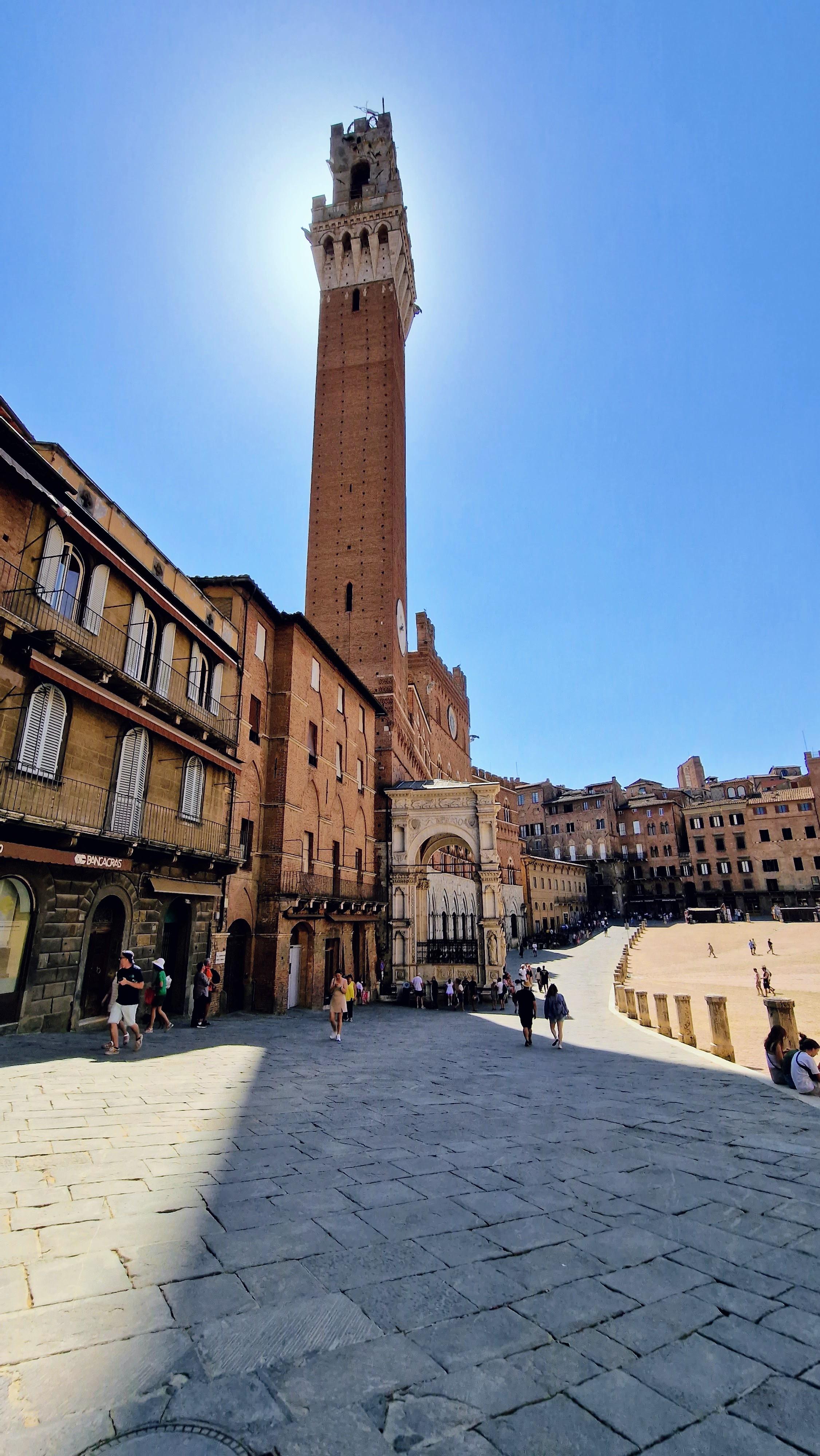
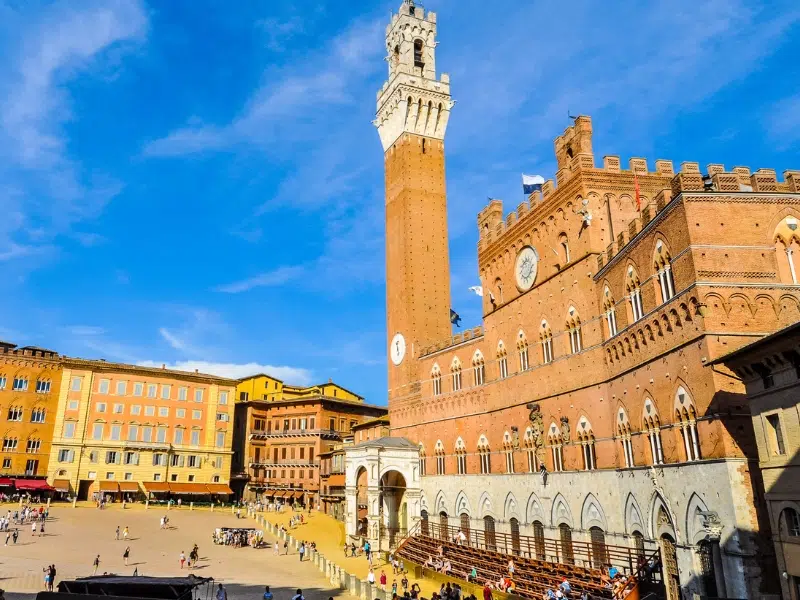
Stand at the edge of this historic square to capture the sprawling architecture and medieval brickwork that often frames a siena pasta cooking class experience.
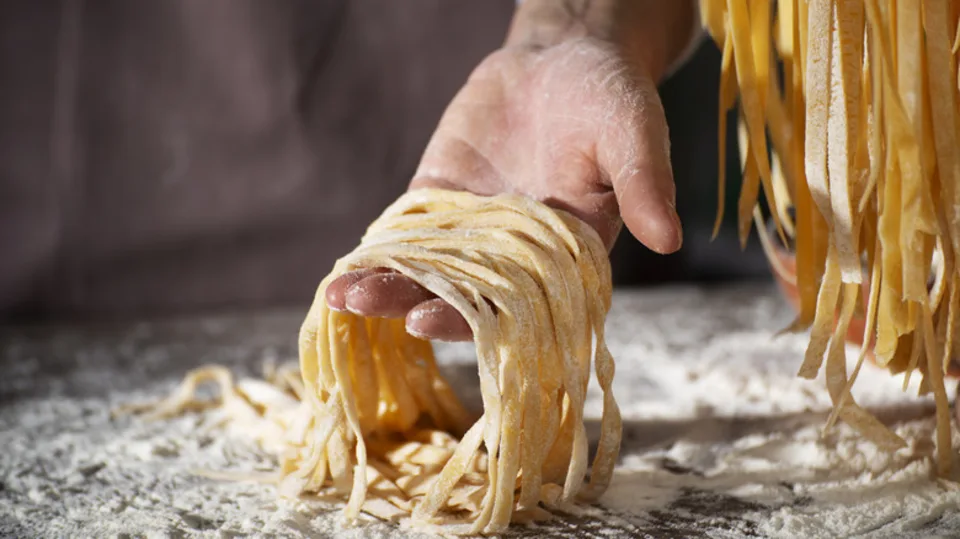
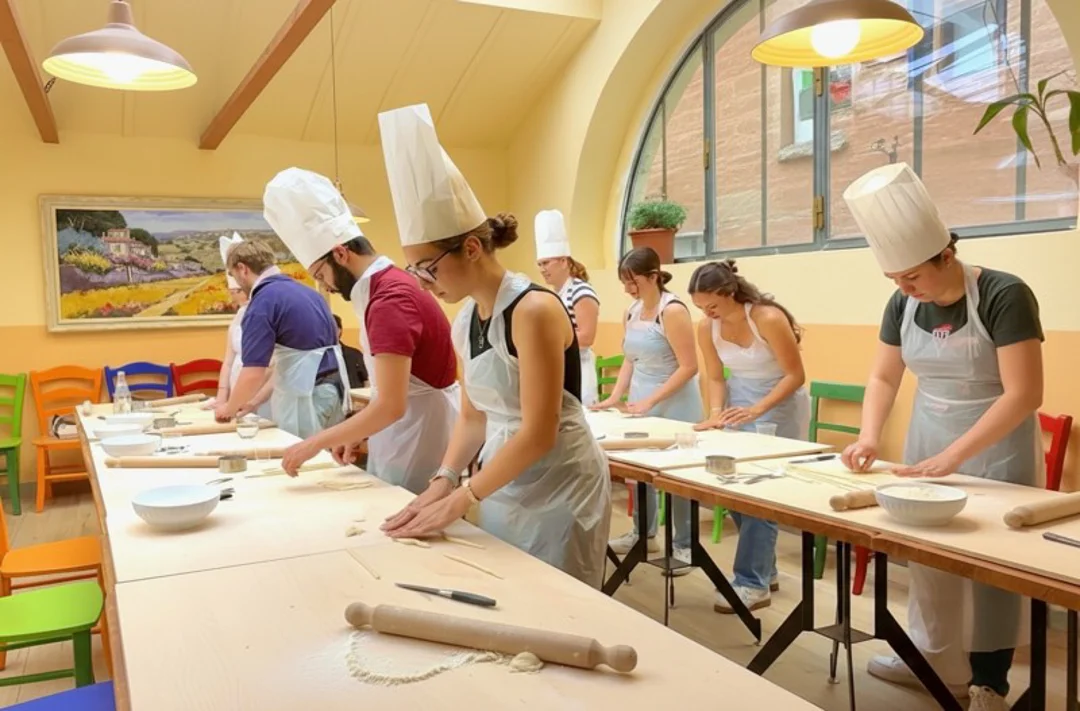
Position your camera at a low angle near the wooden kneading board to highlight flour-dusted hands preparing fresh egg noodles during your siena pasta cooking class tour.
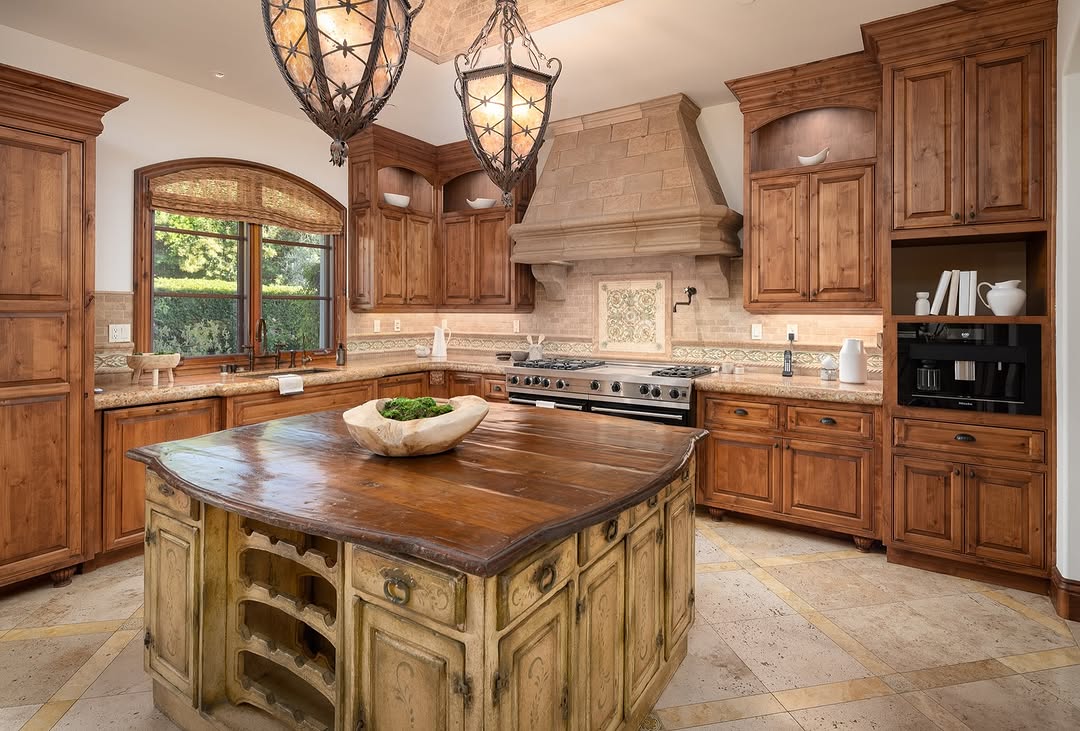
Capture the rolling hills of the Chianti region in the background while focusing on the finished culinary creations from your siena pasta cooking class tickets.
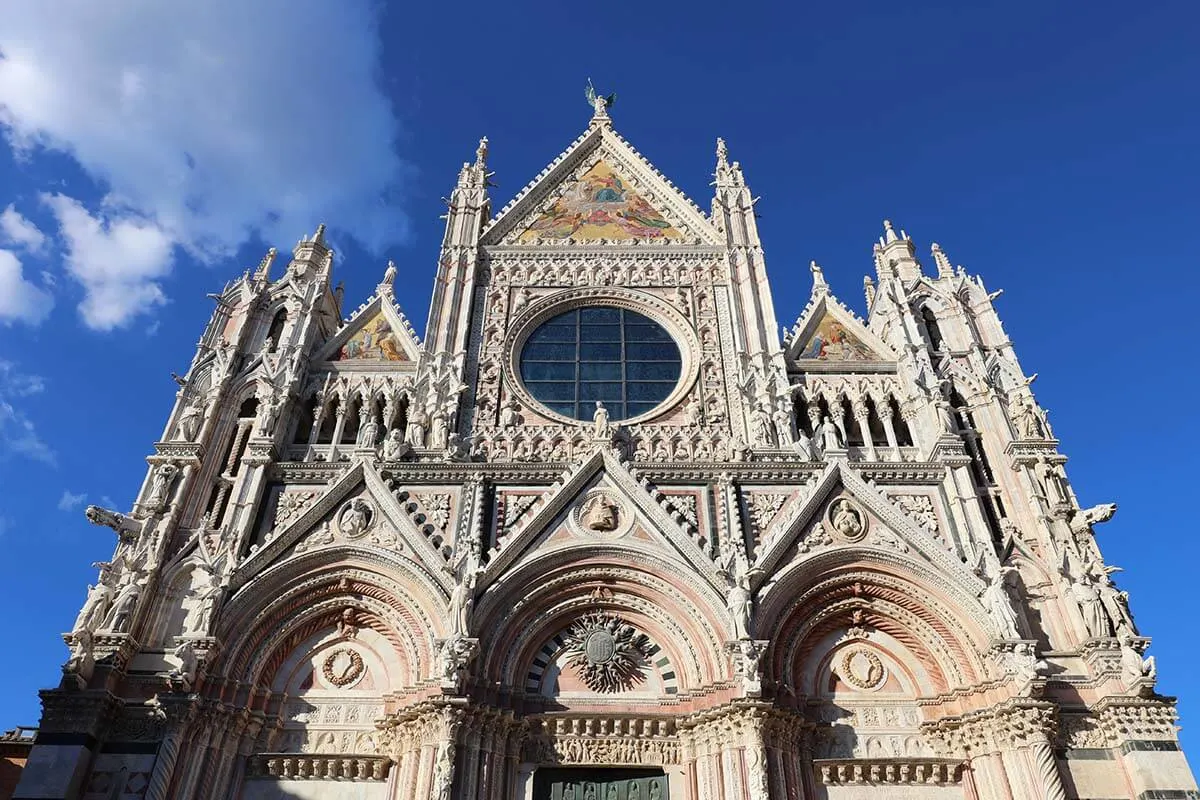
Frame the intricate marble facade from the nearby street level to document the classic backdrop often included in a local lezione di cucina.
Planning a siena pasta cooking class allows your children to engage directly with local culinary traditions in the heart of Italy. This hands-on activity is generally well-suited for families looking to learn the art of rolling dough and shaping traditional flour-based delicacies together.
The historic center of Siena features cobblestone streets and inclines that are difficult for standard strollers, so consider using a carrier for younger children. Many kitchens are located in older buildings with steps, which may limit accessibility for wheeled equipment.
Most providers of a siena pasta cooking class tour welcome children who can safely handle basic kitchen tools and follow instructions. While some workshops accommodate toddlers, many siena pasta cooking class tickets are best utilized for children aged six and up to ensure they can fully participate in the kneading process.
Kitchen venues often lack dedicated baby-change facilities, so prepare to manage diaper changes or breaks outside the workshop space. Since there is a 0 EUR entrance fee to the city, use the open public hours from 09:00–18:00 to find convenient spots for family necessities before your session.
The best arrival window is 09:00–17:00, allowing you to schedule your session around natural energy levels. Plan for at least one hour of active preparation followed by a meal, ensuring younger participants have plenty of water and snacks if the dough-making takes longer than expected.
Finding a meal near your siena pasta cooking class is simple, as the historic center offers numerous traditional trattorias within walking distance. Many travelers enjoy a rustic lunch of hand-rolled pici pasta after completing their siena pasta cooking class tours.
Located near Piazza del Campo, this elegant spot is perfect for refined Tuscan dishes. It is often busy, so booking a table ahead of your siena pasta cooking class tour is recommended.
Everything you need to know for your journey
Providers typically operate between 09:00–18:00 daily.
Yes, you must pre-book your siena pasta cooking class tickets as walk-ins are generally not accepted.
Most classes welcome children, but please verify age requirements for your siena pasta cooking class.
Casual clothing is recommended for your siena pasta cooking class.
Yes, cancellation policies for a siena pasta cooking class usually offer full refunds if requested 24–48 hours before.
Most locations are reachable on foot or by local bus within the city of Siena.
Yes, feel free to document your siena pasta cooking class, but please keep your device on silent.
Summer is excellent for a siena pasta cooking class due to the availability of fresh produce.
Yes, many venues are located near the Duomo di Siena, making it easy to pair your culinary experience with historic landmarks.
A masterpiece of Italian Romanesque-Gothic architecture featuring intricate marble floors.
This iconic tower offers panoramic views of the city and the surrounding Tuscan landscape.
A historic fountain located in the center of the main square known for its elaborate relief sculptures.
An elegant hotel housed in a 17th-century palace near the center.
Located within the city walls with convenient access to major sites.
The central district provides easy access to every siena pasta cooking class.
Join thousands of happy travelers who have discovered this incredible experience
Book Your Experience Now