3 hr
Siena Pasta & Tiramisu Cooking Workshop with Wine
- Entry ticket
- Mobile voucher
- Valid same day
- Free cancellation
Siena Pizza Cooking Class — Farmhouse Kitchens & City-Centre Workshops
Flour on the board, wood smoke in the Tuscan evening.
Compare fares, pick the fit — all bookings are mobile-voucher and eligible for free cancellation where shown.
3 hr
5 hr 30 min
4 hr
Selecting the right siena pizza cooking class involves matching your culinary interests with the desired depth of your tuscan kitchen experience. Whether you prefer a quick workshop or an immersive italian food preparation session, these options provide structured access to traditional methods.
| Short Workshop Standard Access |
Top pick Farmhouse Immersion Premium Experience |
|
|---|---|---|
| Class Duration | 2 hours | 4 hours |
| Culinary Focus | Pizza basics | Full multi-course menu |
| Setting | City center kitchen | Surrounding farms |
| Skill Level | Beginner | Intermediate |
| Wine Pairing | Glass included | Regional wine flight |
| Best for | Time-constrained travelers | Deep cultural immersion |
| See tickets & prices |
Verdict: First-time visitors should prioritize the Farmhouse Immersion siena pizza cooking class tour for a complete authentic experience, while those with limited schedules may prefer the siena pizza cooking class tickets for a shorter, focused session.
Worth it for hands-on cooks, not passive diners
A siena pizza cooking class is not a restaurant meal with a lesson attached — it is a workshop where you knead, stretch and fire your own dough, then eat the result. That distinction decides the value. Against a sit-down Tuscan dinner, you leave with a repeatable skill: hydration ratios, how a wood-fired oven behaves, why Tuscan bread runs saltless. The bookable inventory here shows what the format really covers — the Tuscan Pizza & Gelato Workshop from Siena pairs dough with gelato, while the farmhouse experiences with Cristiana and Mamma Nora, and the pasta options with wine pairing or craft beer, trade pizza for pasta and tiramisu. Cooking classes in Siena pay off if you want kitchen technique and a small-group conversation with a local cook. If you mainly want to be fed well, Siena's trattorias do that for less effort.
Bottom line: Book the siena pizza cooking class tour if you want to cook, not just eat — otherwise spend the money on dinner.
They complement each other; most visitors who do both call the siena pizza cooking class the more immersive, hands-on choice, while wine tasting tours provide a deeper dive into local agriculture.
|
Top pick Pizza Cooking Class |
Chianti Wine Tour | |
|---|---|---|
| Focus | Culinary creation | Viticulture and tasting |
| Activity Level | Active hands-on | Relaxed sensory |
| Typical Duration | 2.5–4 hours | 1.5–4 hours |
| Setting | Indoor kitchen/farm | Vineyard estate |
| Price Range | From 100 EUR (summer) | From 41 EUR (summer) |
| Suitability | Families and foodies | Adults and wine enthusiasts |
| See tickets & prices |
Verdict: Choose a siena pizza cooking class tour if you want to master new techniques, or opt for a wine tasting if you prefer to appreciate the scenic landscapes of the region with siena pizza cooking class tickets offering a more social, participatory itinerary.
Hand-picked experiences loved by thousands of travelers
4 hours
Free Cancellation
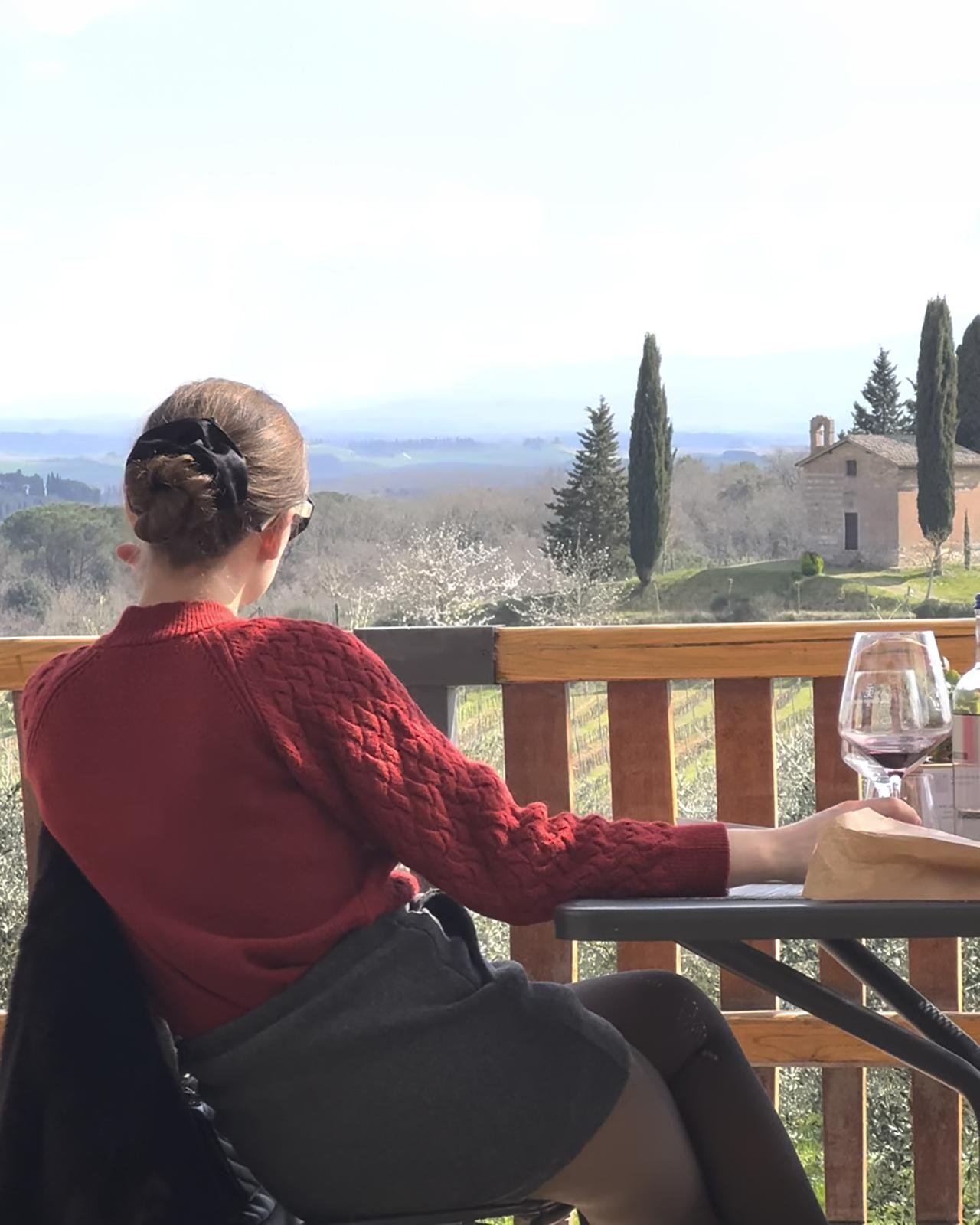
Master two Italian classics at a countryside farm with a skilled chef, wine, and stunning hillside views
3 hours
Free Cancellation
Master three classic pasta styles and tiramisu in a historic 16th-century barn, then savor your creations
3 hours
Free Cancellation
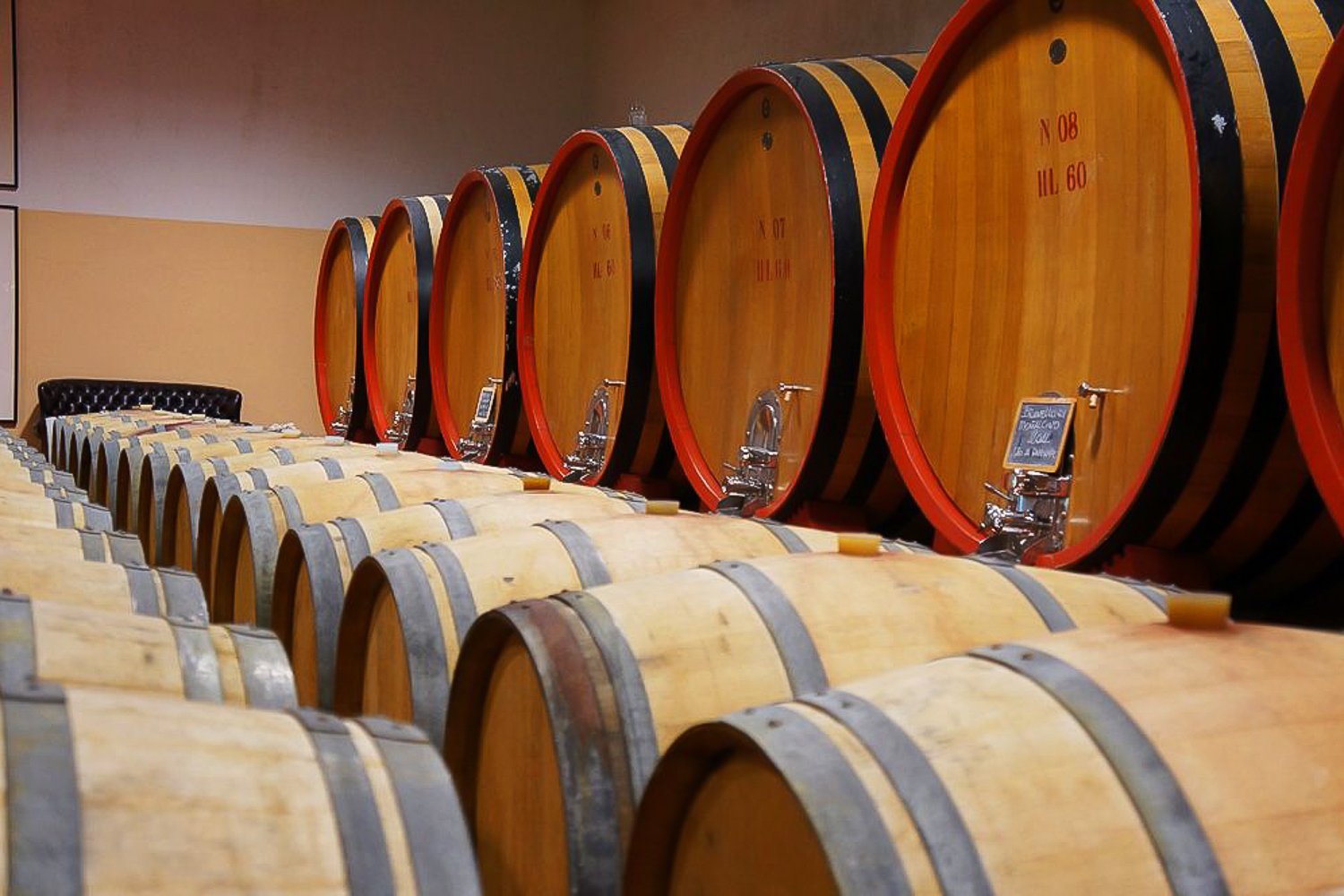
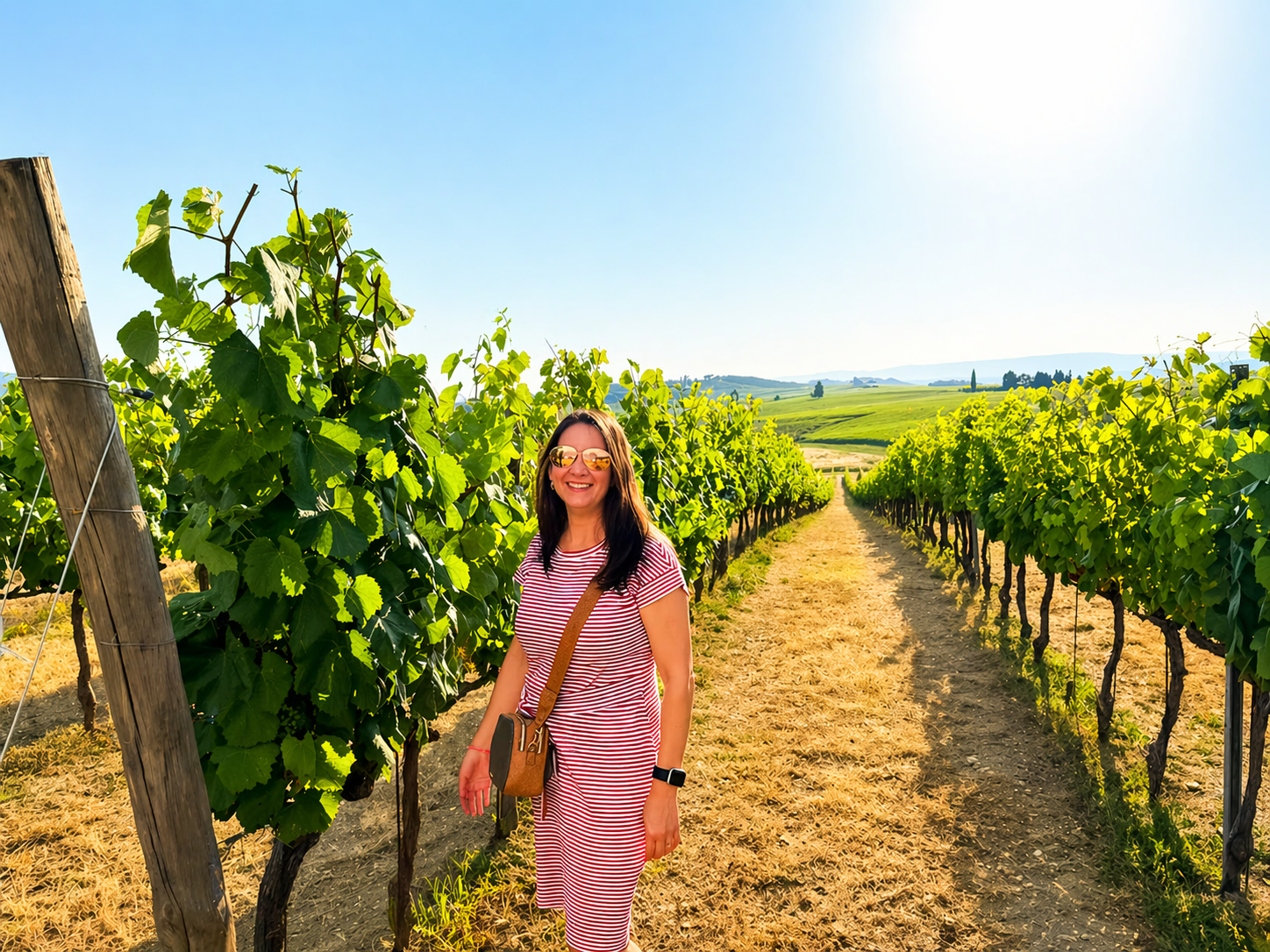
Explore a family winery in Chianti with vineyard walks, cellar tours, and a four-course meal
9 hours
Free Cancellation
Discover three acclaimed wineries in Montalcino, savor Brunello tastings, and feast on Tuscan cuisine
8 hours
Free Cancellation
Explore two Renaissance jewels in Val d'Orcia with wine tasting and farm-to-table lunch included
5 hours
Free Cancellation
Journey through Tuscany's wine region with tastings at two estates, medieval village visits, and scenic countryside views
10 hours
Free Cancellation
Discover UNESCO-listed valleys, medieval hilltop towns, and renowned Brunello wines on this full-day escape.
5 hours
Free Cancellation
Journey through Tuscany's wine country with castle exploration and premium tastings
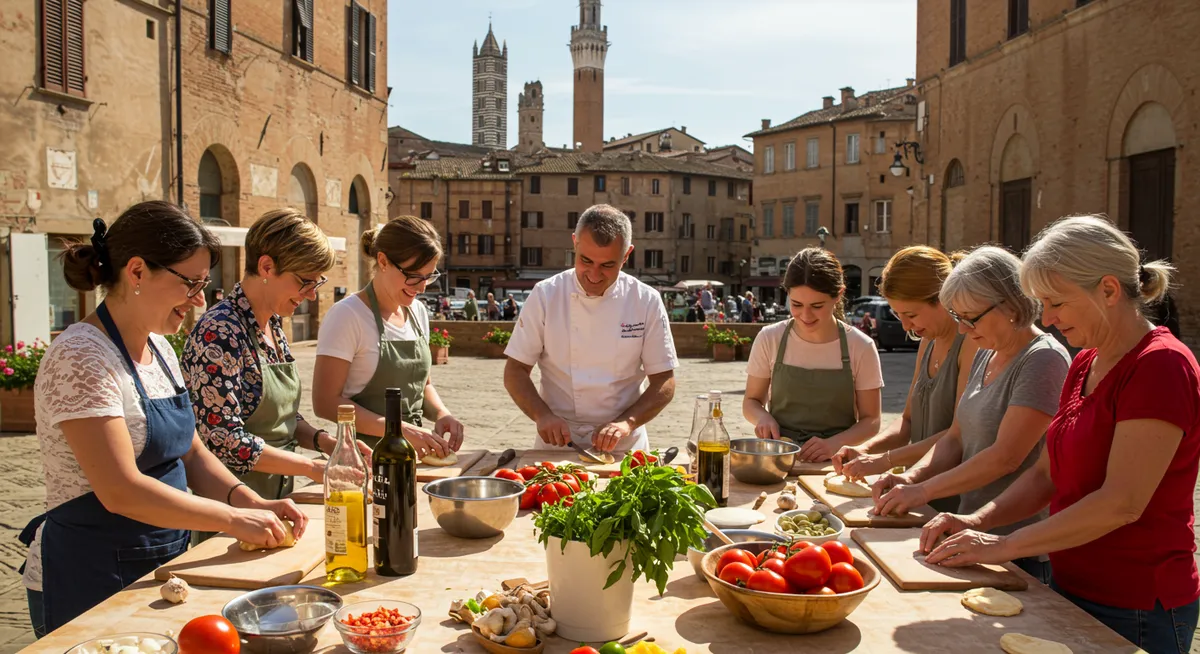
You arrive between 09:00 and 18:00, the window when ingredient prep and cooking are scheduled. If your session sits in the countryside, a driver collects you near the walls and the road climbs through cypress and vineyard rows.
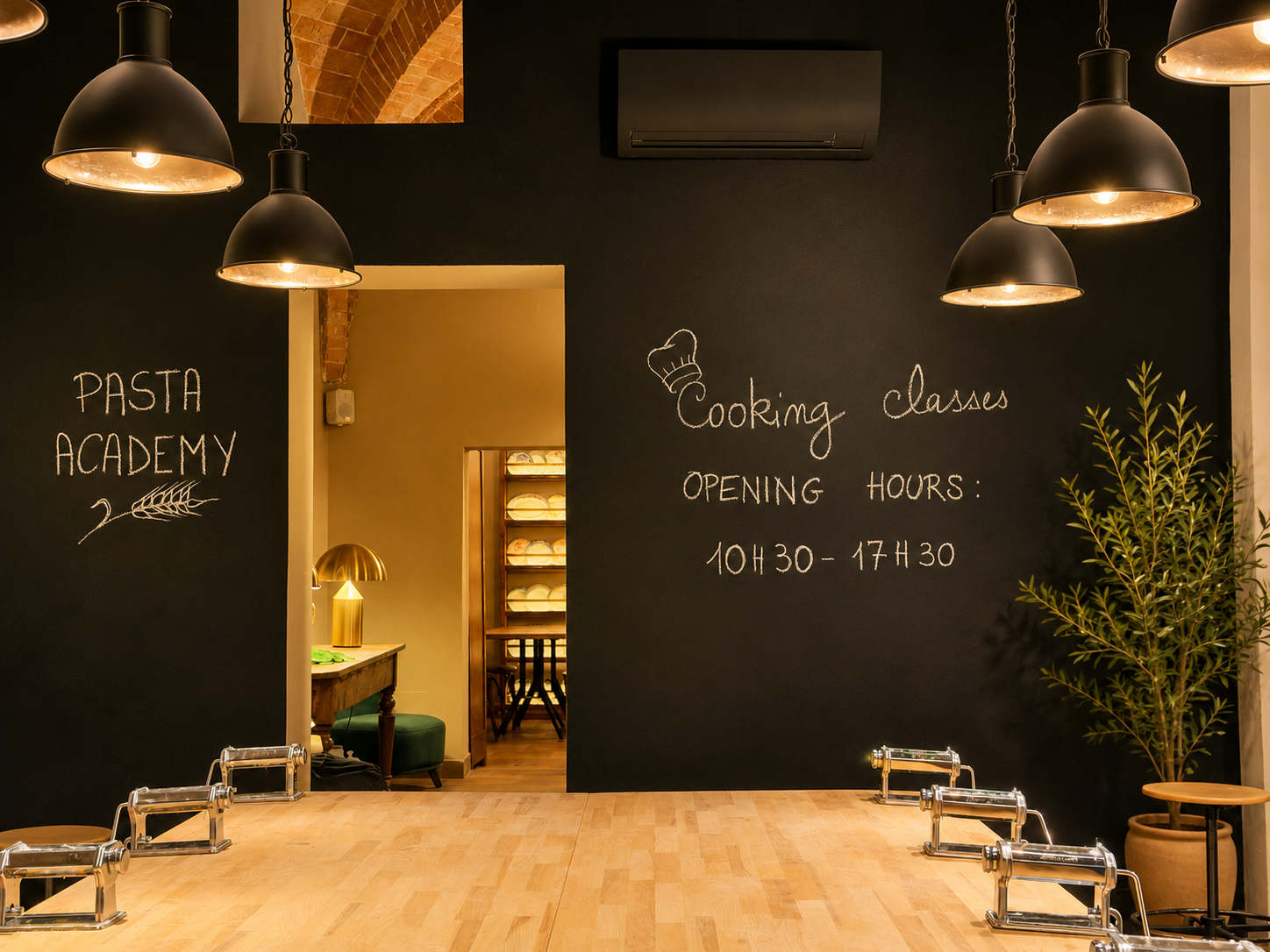
If it is in the centre, you walk from the Campo and step down into a vaulted room already smelling of yeast.
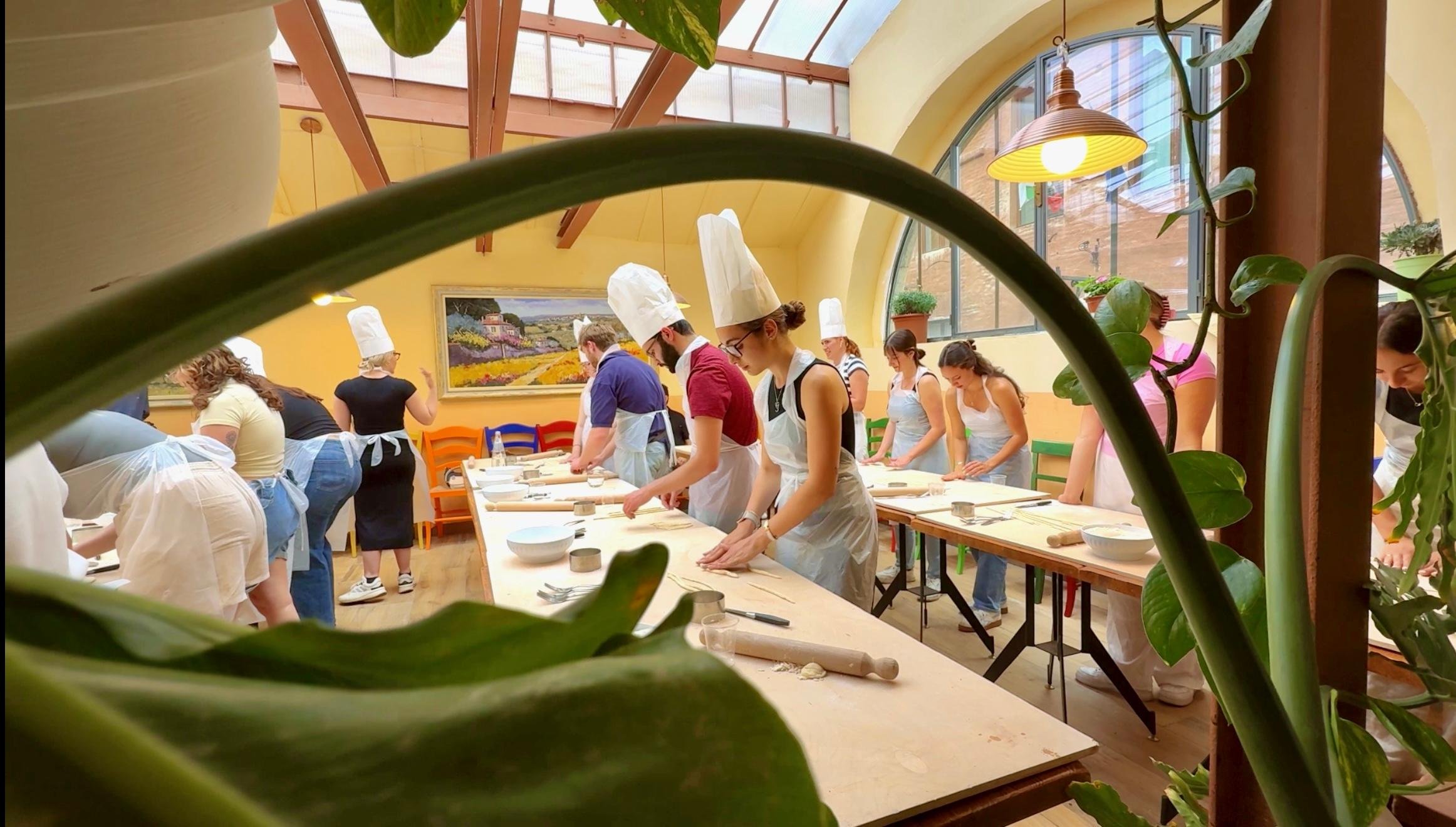
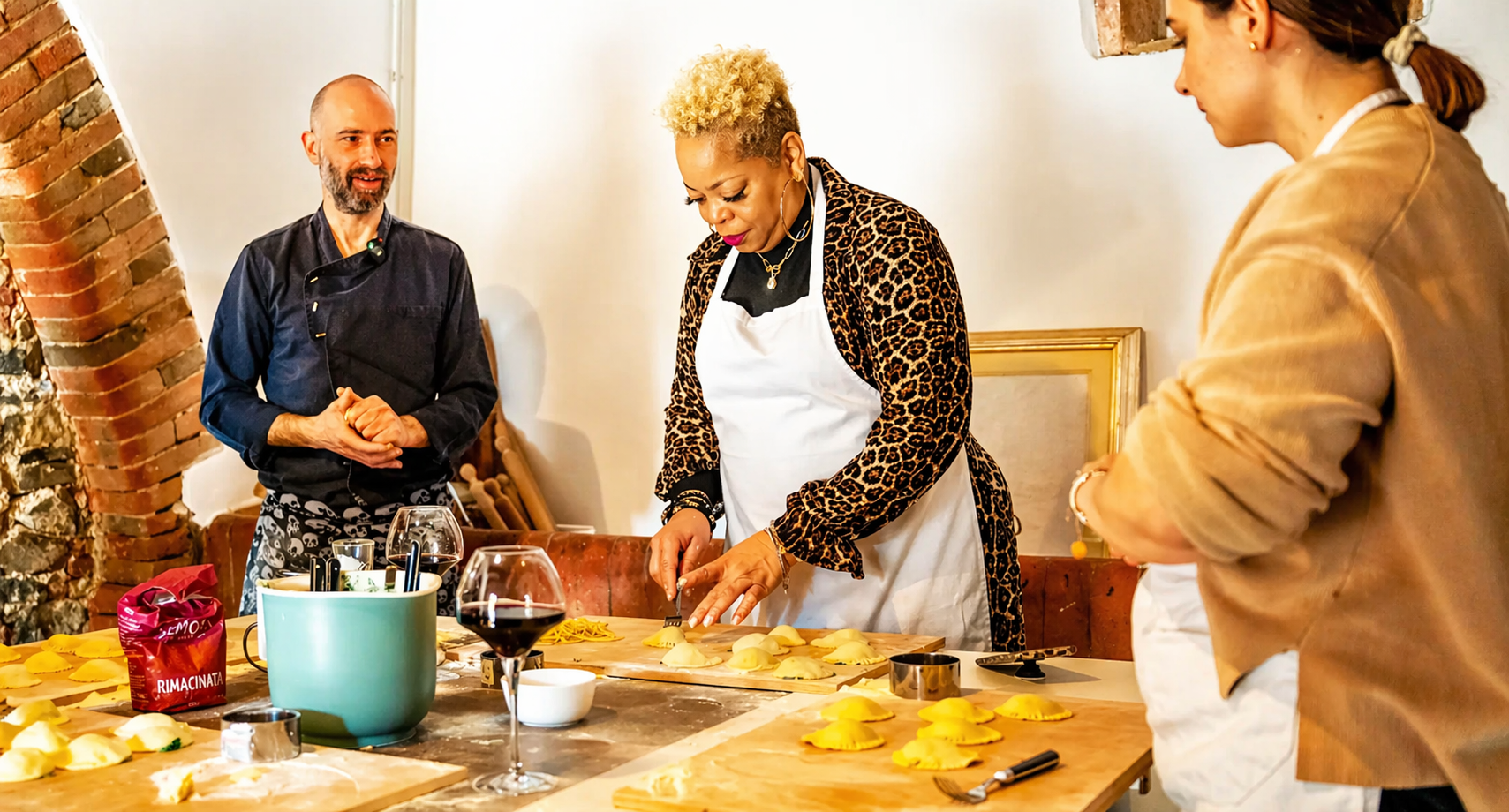
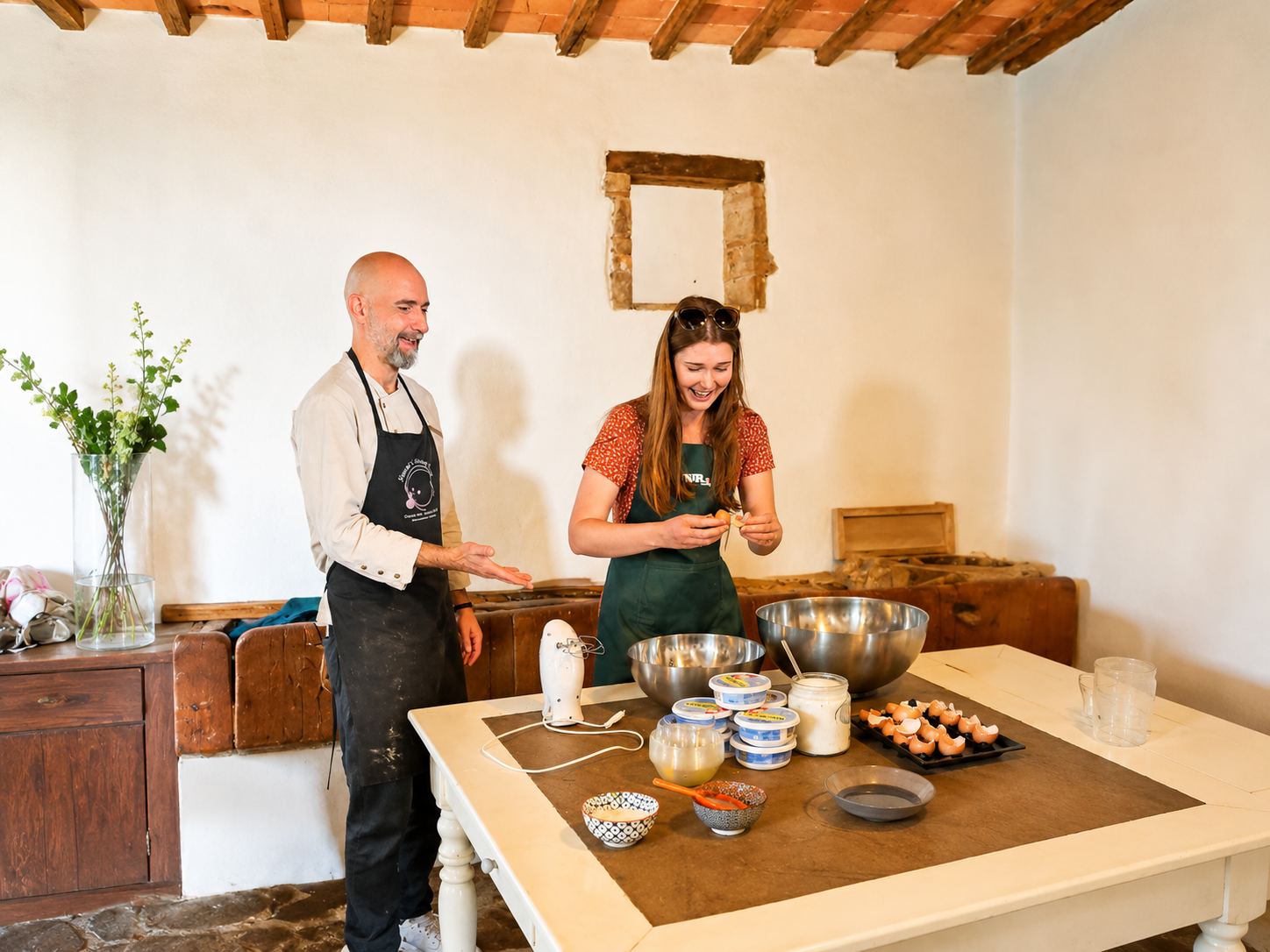
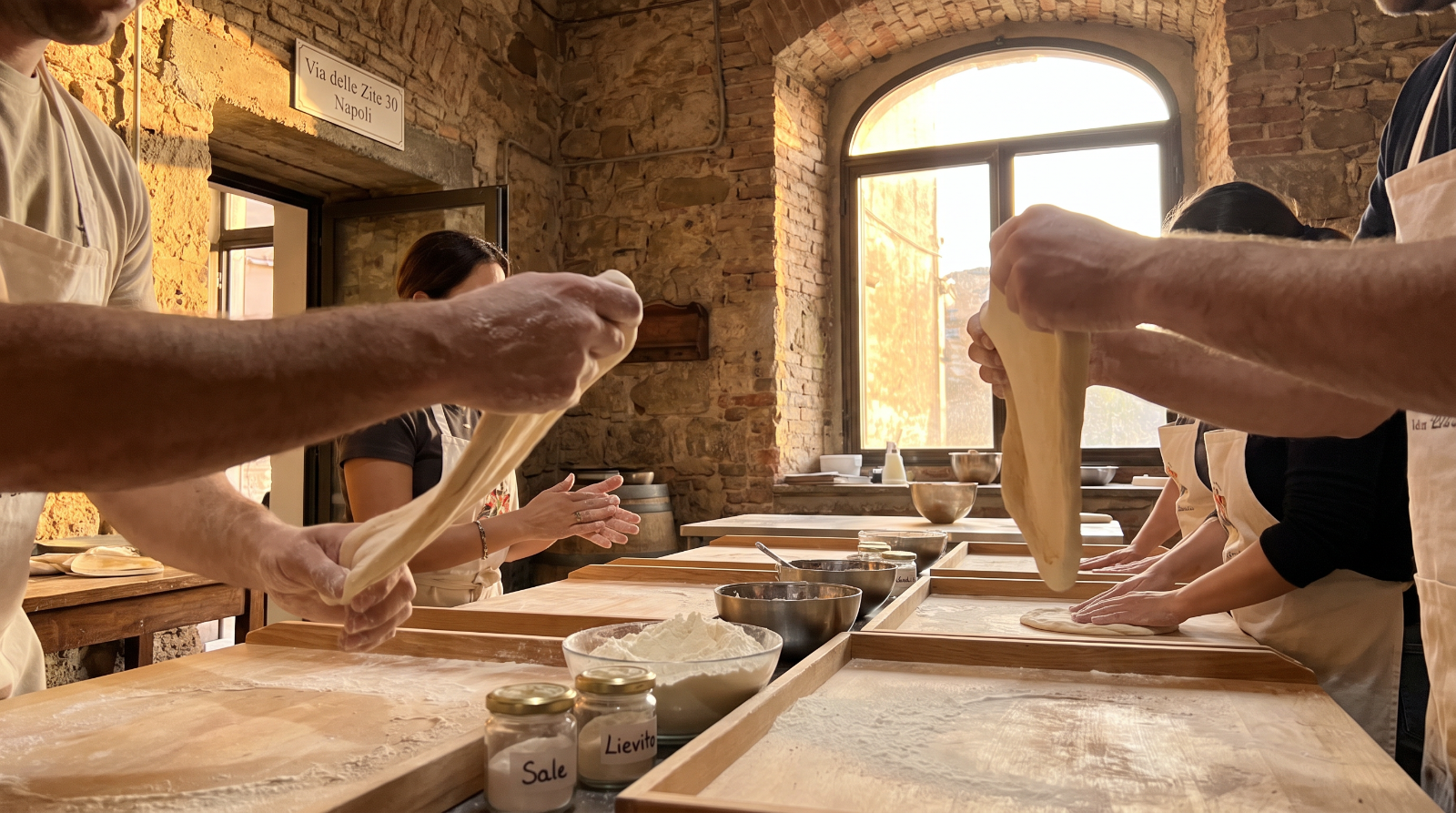
You wash your hands, tie an apron, and take a place at the marble. Flour is weighed in front of you. You learn the ratio, then work water into it until the mass stops sticking. The dough rests. While it proves, you might roll pici by hand, one strand at a time, or fold tiramisù, or press gelato base into a chilled canister, depending on which workshop you chose — the Tuscan Pizza & Gelato Workshop from Siena pairs the two directly.
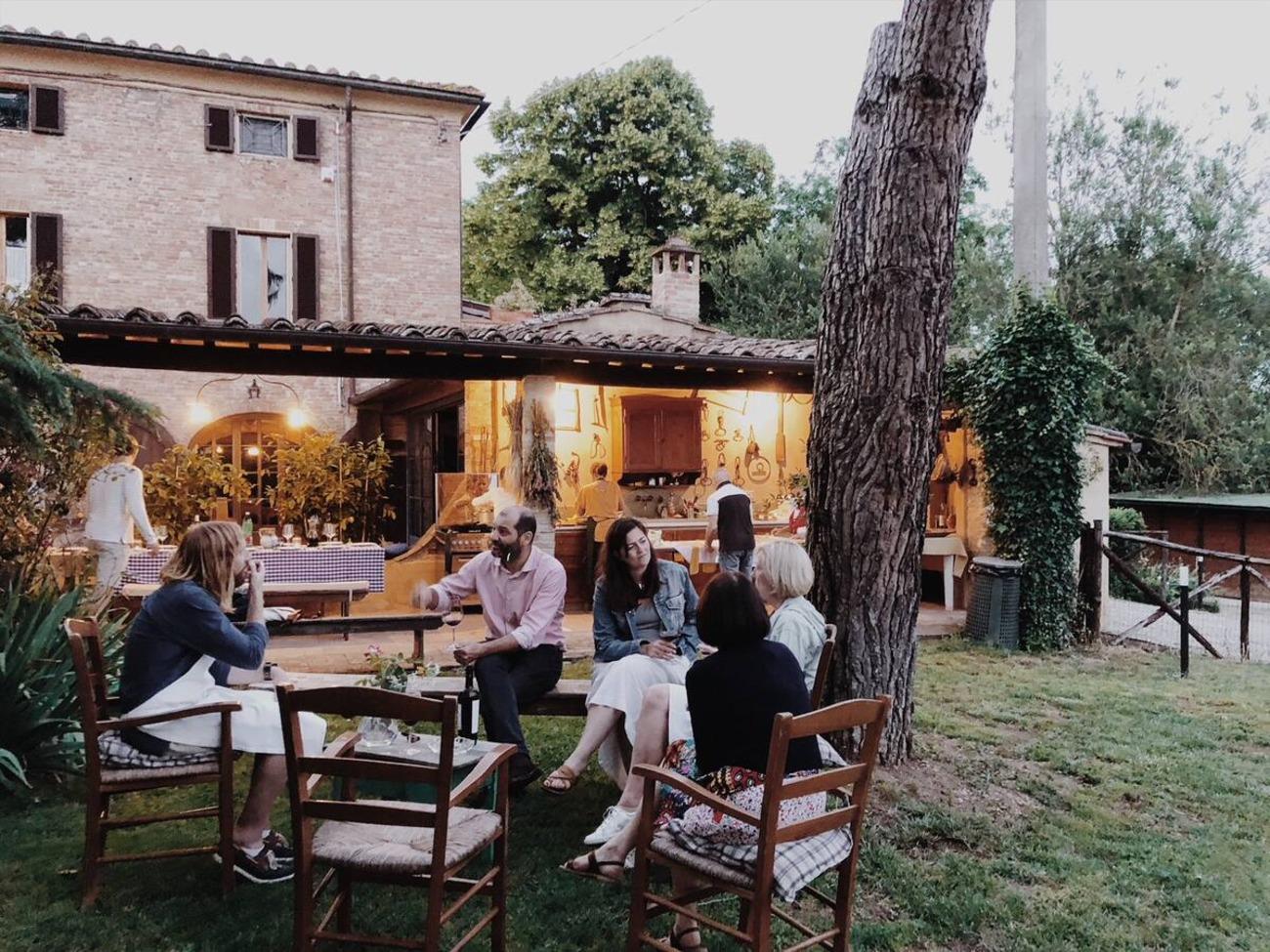
You return to your dough, stretch it, and dress it: tomato, oil, cheese, a torn basil leaf. The wood oven runs hot enough that your pizza is done in under three minutes. You carry it to a long table outside, where a glass of Chianti or a craft beer is poured depending on the format. You eat what you made. The site charges nothing to enter — 0 EUR — and the kitchen closes at 20:00, so plates linger.
All the details about your upcoming adventure in one place
Pizza is not a Sienese invention. It arrived from Naples, and Tuscany answered it with schiacciata — a flatter, oil-slicked bread pressed by hand and salted before baking. The distinction still shapes what happens in kitchens around Siena, where dough is treated as a regional argument rather than a fixed recipe.
The city's culinary identity was built on scarcity. Medieval Siena, walled and rivalrous, ate what the surrounding contado produced: durum and soft wheat from the Crete Senesi, olive oil from the hills toward Montalcino, pecorino from Pienza's flocks. Grain was so central that the Republic regulated its milling and storage; the Piazza del Campo itself was laid out as a market before it became a racecourse. Bread here has been unsalted since the medieval salt tariffs, a habit that survives in pane toscano and quietly explains why Tuscan pizza dough is seasoned differently from Neapolitan.
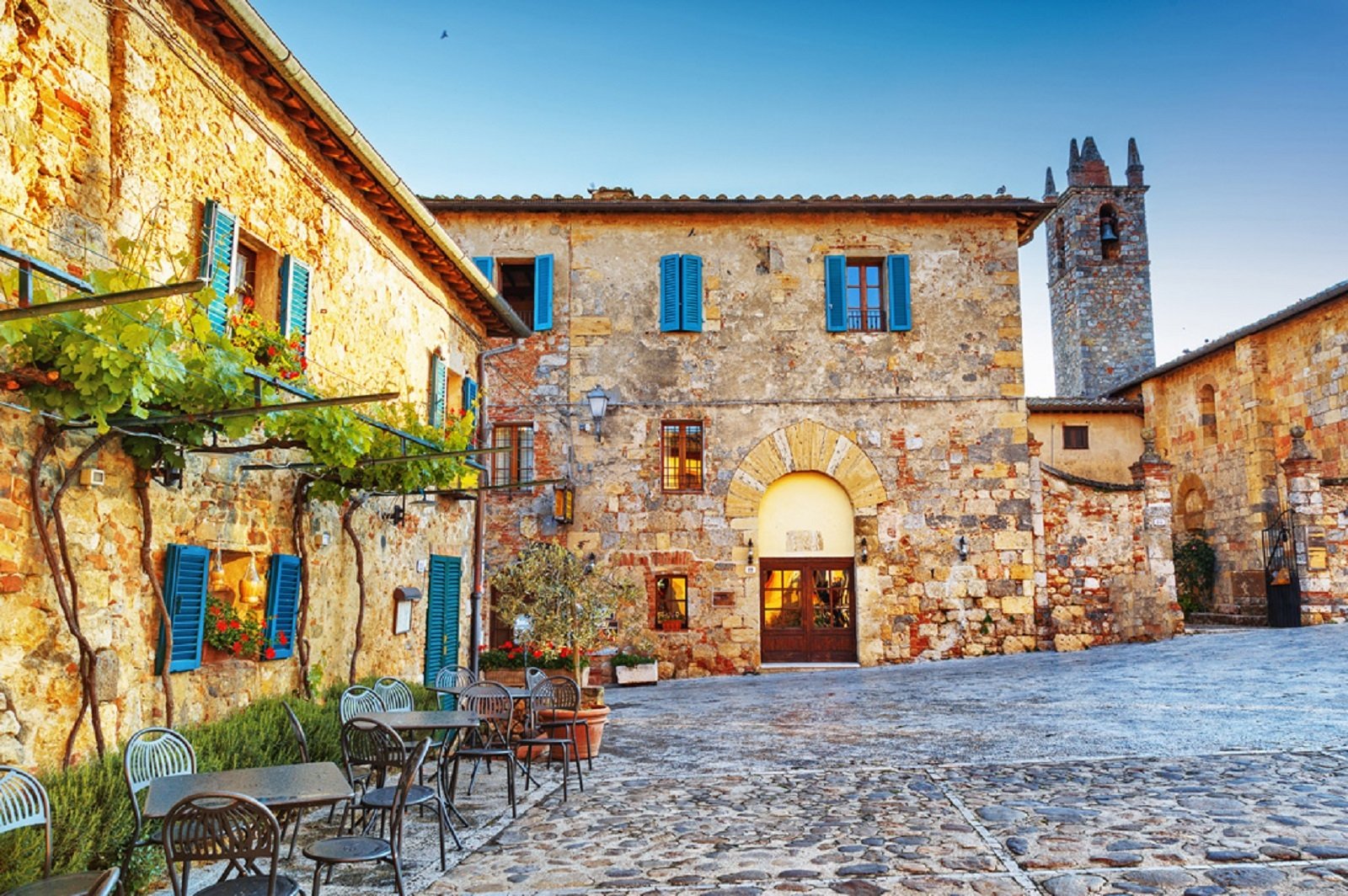
What draws visitors to a siena pizza cooking class today is that continuity, not novelty. Many sessions run in restored farmhouses in the Chianti and Val d'Orcia countryside, buildings that were mezzadria estates until the sharecropping system was abolished in 1964. Their kitchens kept the wood-fired forno, the long marble worktop, the cellar for Chianti Classico. Others sit inside the walls, minutes from the Duomo's striped marble and the Torre del Mangia, in ground-floor rooms with vaulted brick ceilings. Both formats teach the same fundamentals: hydration, a slow rise, the flick of the wrist that stretches a base without tearing it.
Siena's UNESCO listing, granted in 1995, cites a city that preserved its Gothic character intact. Food followed the same conservatism. Pici — thick, hand-rolled pasta with no egg — has been made in these hills since Etruscan times, and it appears on the same worktops where dough is shaped. Tiramisù, gelato, and craft beer have joined the repertoire, but the technique is inherited rather than invented. Instructors are frequently the farm's own cooks, working alongside family members who learned in the same room.
Surrounding produce still sets the menu. San Marzano-style tomatoes, buffalo and pecorino cheeses, wild fennel, and estate oil pressed within sight of the kitchen. A siena pizza cooking class tour therefore functions as a short lesson in Tuscan agronomy as much as gastronomy. The classes described here operate seven days a week, 09:00–20:00, at various locations including the city centre and surrounding farms. Entry to the sites is free at 0 EUR; fees apply only to booked participants.

Bread here has been unsalted since the medieval salt tariffs — a habit that quietly explains why Tuscan pizza dough is seasoned differently from Neapolitan.
Casual and comfortable attire is recommended for every siena pizza cooking class. Closed-toe shoes are preferred for kitchen safety.
Minimal luggage is recommended for your siena pizza cooking class as most local kitchens have limited storage. Please secure valuables beforehand.
Photography is encouraged during your siena pizza cooking class to capture the culinary process. Be mindful of others in the kitchen space.
A siena pizza cooking class is highly suitable for families, providing a hands-on experience for children to learn basic dough preparation.
Many cooking venues are located in historic buildings which may have stairs; please verify access for any specific siena pizza cooking class before booking.
Most sessions include wine tasting and a meal, making a siena pizza cooking class a comprehensive culinary outing.
Opening Hours
09:00–20:00
Address
Siena, Italy (Various locations including city center and surrounding farms)
Class Setting
Historic centers or rustic countryside farms
Best arrival window
09:00–18:00
Storage
Not available at most venues
Navigation
Pedestrian-only historic zones
Bus · Varied · Varies
Autolinee Toscane serves the city center
Walk · Variable · 0 EUR
Primary way to navigate the historic center
Full refunds are typically available for any siena pizza cooking class if cancelled at least 24 hours prior. No entrance fee is required for the general public, as costs are specific to booked participants.
Recommended time
4-5 hours
A typical siena pizza cooking class requires significant time to prepare fresh dough and select local ingredients before baking. These siena pizza cooking class tours are most effective when scheduled during the mid-morning, leaving time to explore the city afterwards. You should secure siena pizza cooking class tickets in advance to ensure your spot during peak daylight hours. This duration allows for a hands-on culinary experience without rushing through the city landmarks that follow your meal.
Crowd levels through the day
Weather · crowds · average price — dots go green to amber to red as each metric rises.
Ideal for outdoor farm-based classes and fresh seasonal produce.
Comfortable temperatures for walking to your cooking venue.
Harvest season offers fresh local olive oil and wine pairings.
Excellent indoor, climate-controlled kitchen sessions.
Reserve your siena pizza cooking class weeks in advance for summer dates.
Ensure your siena pizza cooking class includes authentic pici pasta or traditional pizza dough techniques.
Aim for the start time of your siena pizza cooking class to fully enjoy the prep session.
Carry water during the walk to your siena pizza cooking class venue.
Confirm if your siena pizza cooking class is in the historic center or the countryside.
Siena's bread culture predates its pizza culture by centuries. The Statuti dei Fornai, the bakers' guild rules recorded in the Sienese communal statutes of the early fourteenth century, governed ovens, flour weights and the hours at which fires could be lit. Salt was the crux. Siena, like Florence, developed a saltless bread — pane sciocco — during periods when salt was taxed or scarce along the Via Francigena trade routes. That habit shaped the local palate long before tomato or mozzarella arrived. A modern siena pizza cooking class inherits that lineage directly: the dough is the argument, not the topping. The southern influence came late. Tomatoes entered Tuscan kitchens through Spanish Naples in the sixteenth century and were treated as ornamental for decades. Antonio Latini's 1692 Lo scalco alla moderna printed the first known tomato sauce recipe in Italy, alla spagnuola. Naples codified pizza; Tuscany adapted it. The wood-fired forno a legna, standard equipment on Chianti farms outside the city walls, proved well suited to the work. Neapolitan pizza was granted Specialità Tradizionale Garantita status by the European Union in 2010, and UNESCO inscribed the Neapolitan pizzaiuolo craft in 2017 — recognition that pushed regional workshops toward technique rather than novelty. What survives today is the pairing of two traditions. Sienese agricultural estates supply the flour, olive oil and vegetables; Neapolitan method supplies the fermentation discipline and oven handling. Sessions run across the historic centre and surrounding farms, at addresses given simply as Siena, Italy (Various locations including city center and surrounding farms). Entry to the sites themselves is free — 0 EUR — with fees applying only to booked cooking class participants. Doors stand open 09:00–20:00 every day of the week. Guests arriving through the 09:00–18:00 window meet the dough at the right stage of its rise, which is the whole point of the exercise.
The Sienese communal statutes, written in the vernacular, set out guild regulations covering bakers, ovens and the grain trade.
Saltless Tuscan bread, pane sciocco, becomes the regional standard amid salt taxation and supply disruption.
Tomatoes reach Italy through Spanish Naples and are grown as curiosities rather than food for several decades.
Antonio Latini publishes Lo scalco alla moderna in Naples, containing the earliest printed Italian tomato sauce recipe.
Pizza Margherita is popularised in Naples, fixing the tomato-mozzarella-basil form that later spreads north through Tuscany.
The European Union grants Neapolitan pizza Specialità Tradizionale Garantita protection, standardising dough and oven method.
UNESCO inscribes the art of the Neapolitan pizzaiuolo on its Intangible Cultural Heritage list.
Workshops operate daily 09:00–20:00 across the city centre and surrounding Chianti farms, free to enter for non-participants.
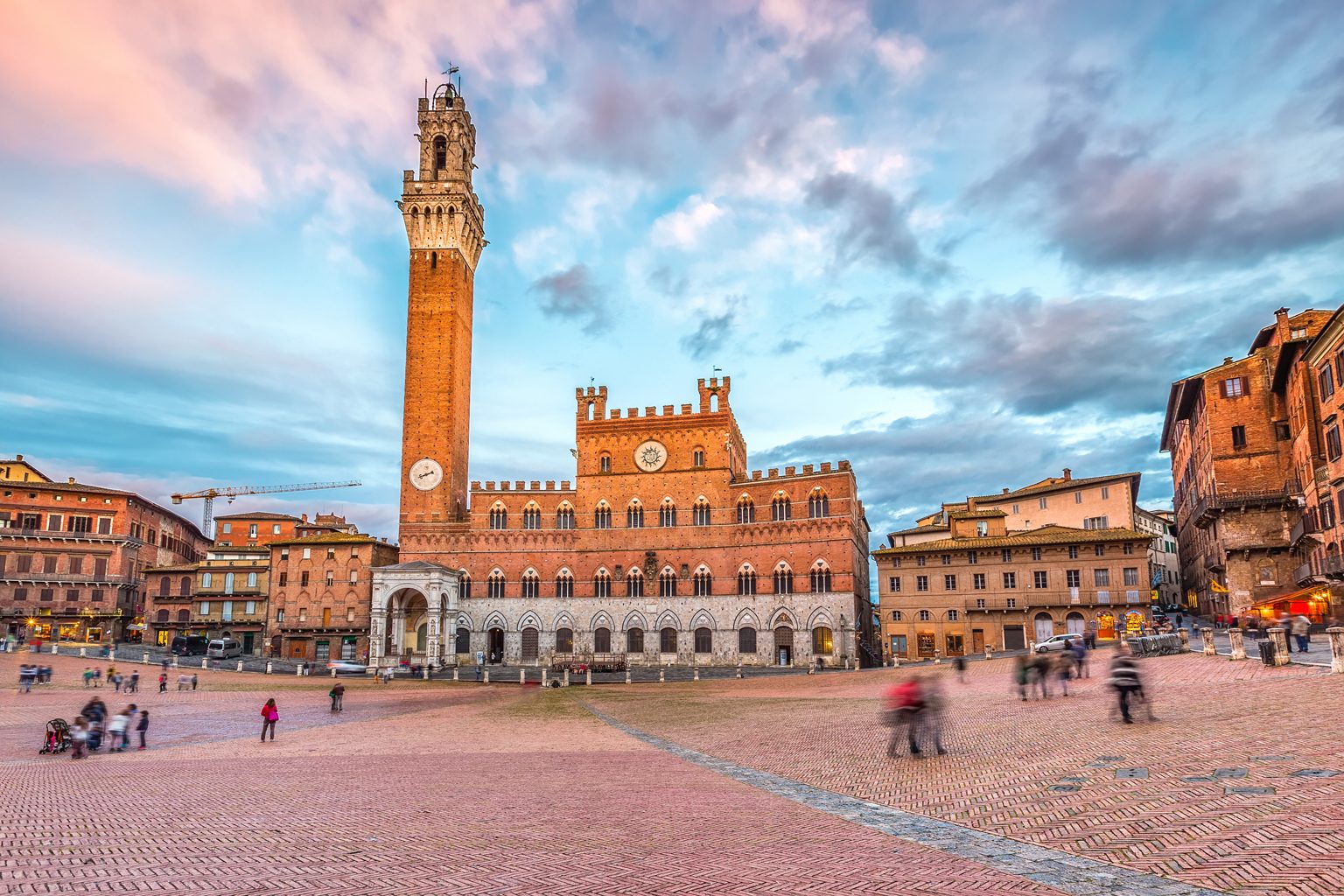
Position yourself near the center of this shell-shaped square to capture the historic architecture as a backdrop before joining your siena pizza cooking class.
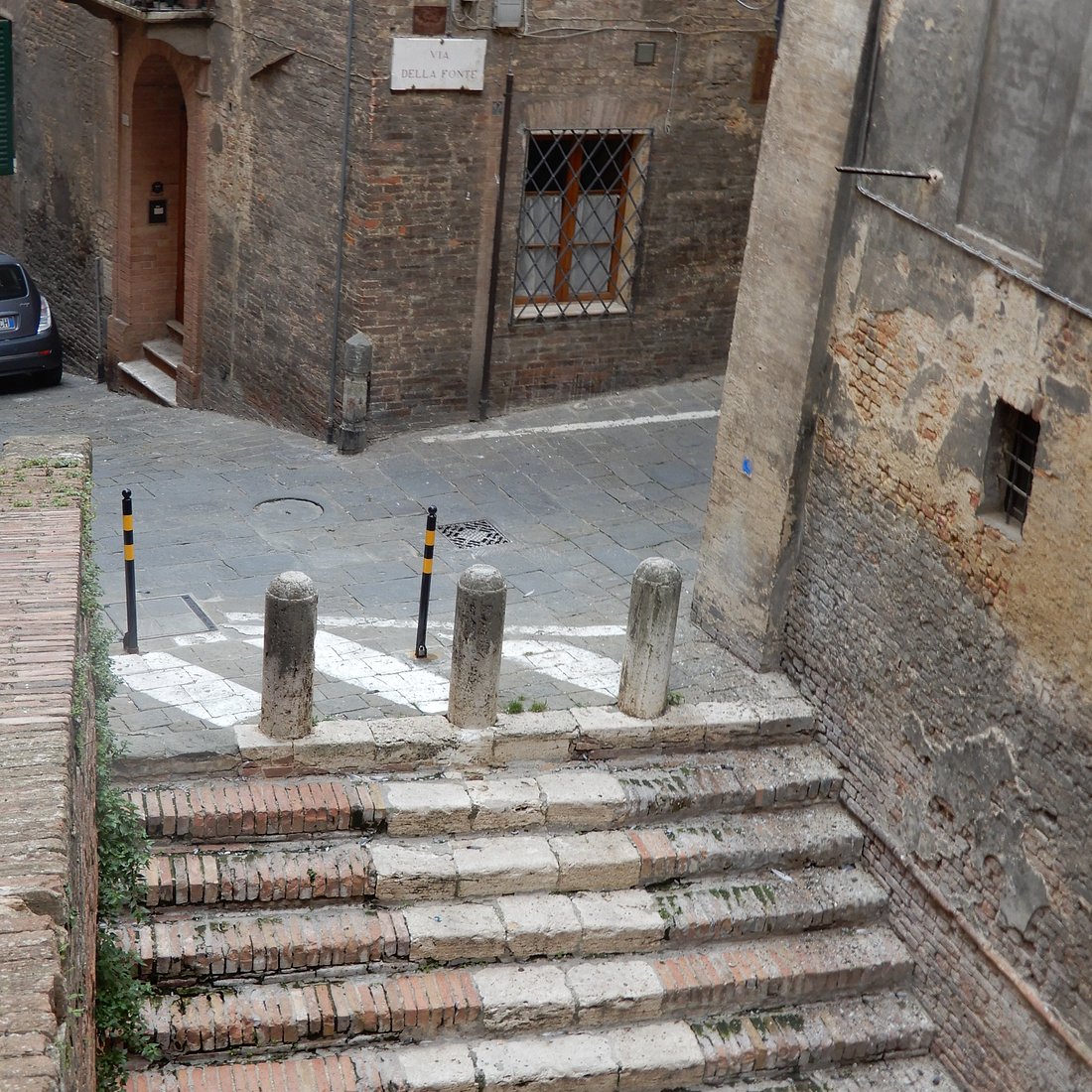
Capture the narrow, winding medieval streets that lead to your culinary destination, providing a classic Tuscan atmosphere for your siena pizza cooking class tours.
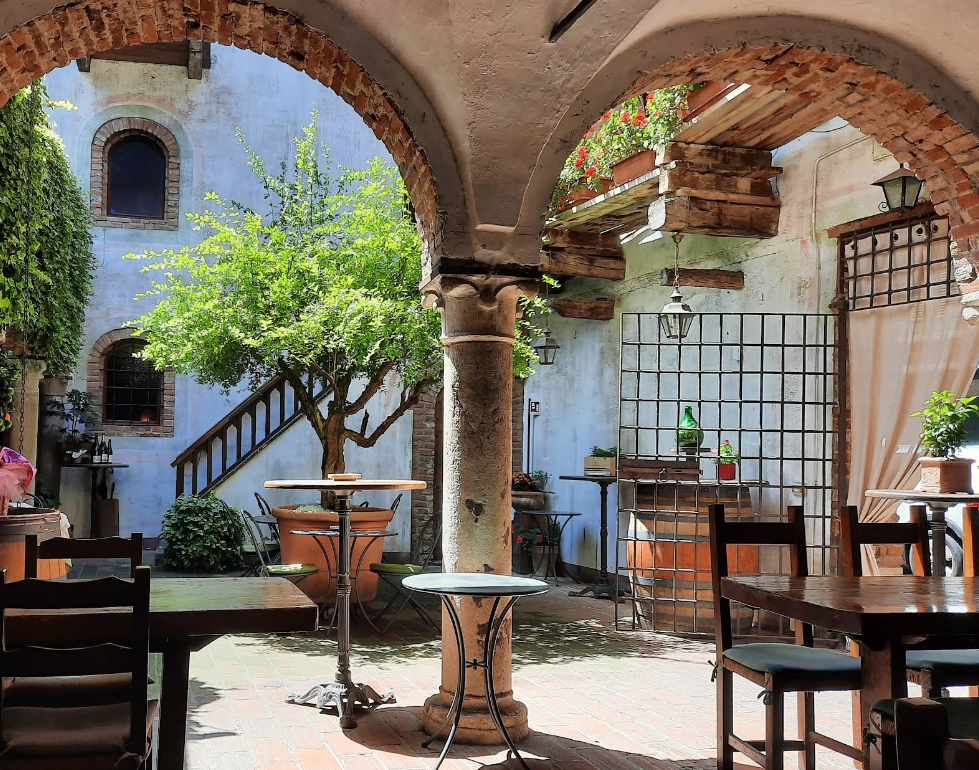
This space offers a charming setting for those looking to document the preparation phase of a siena pizza cooking class tour.
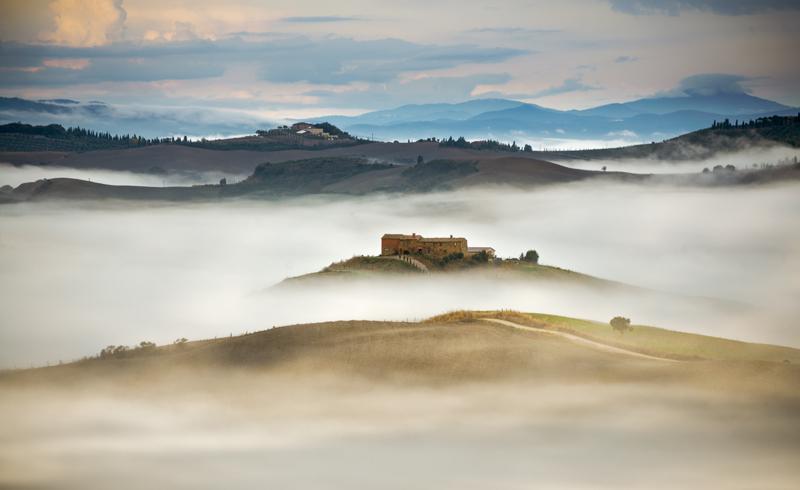
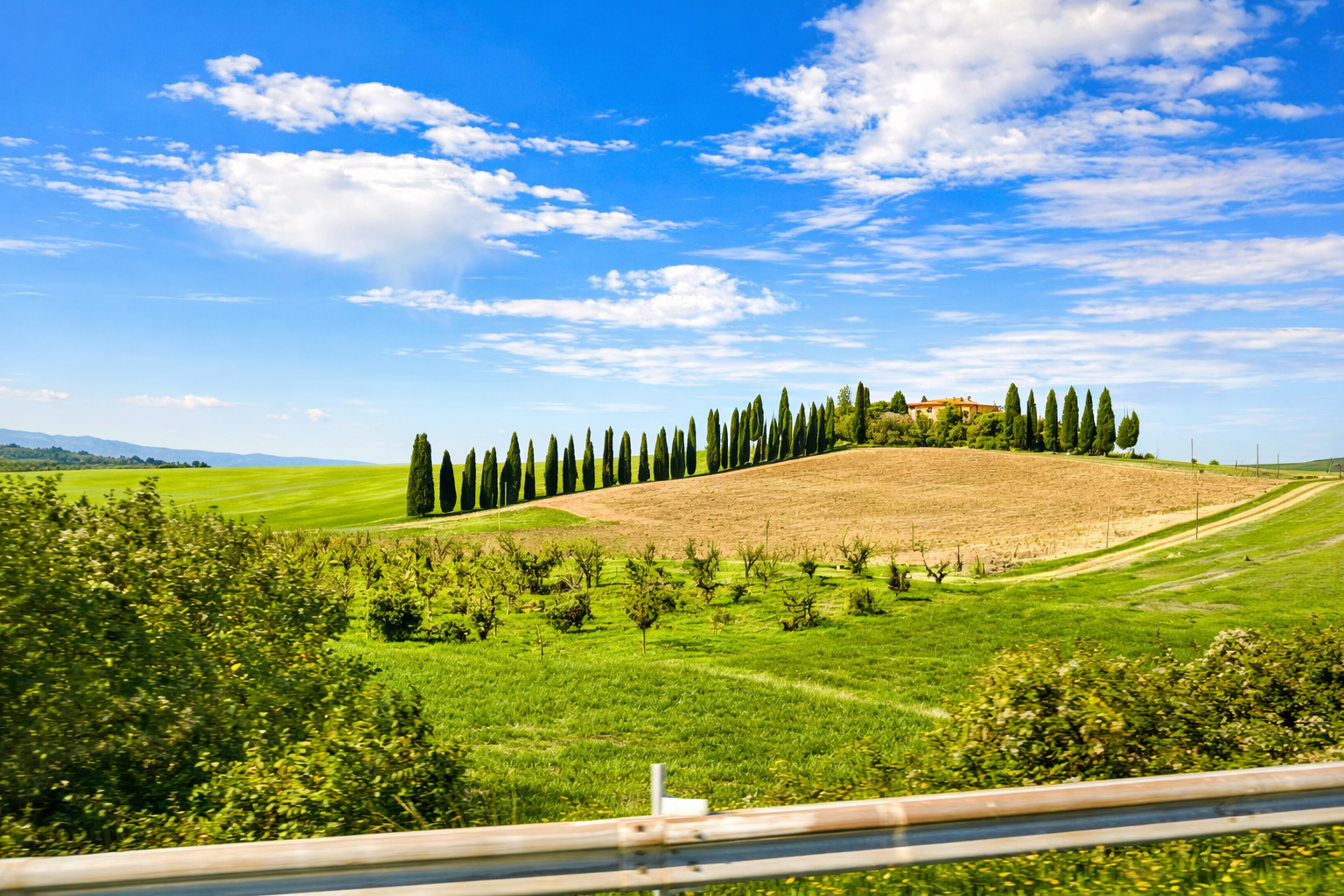
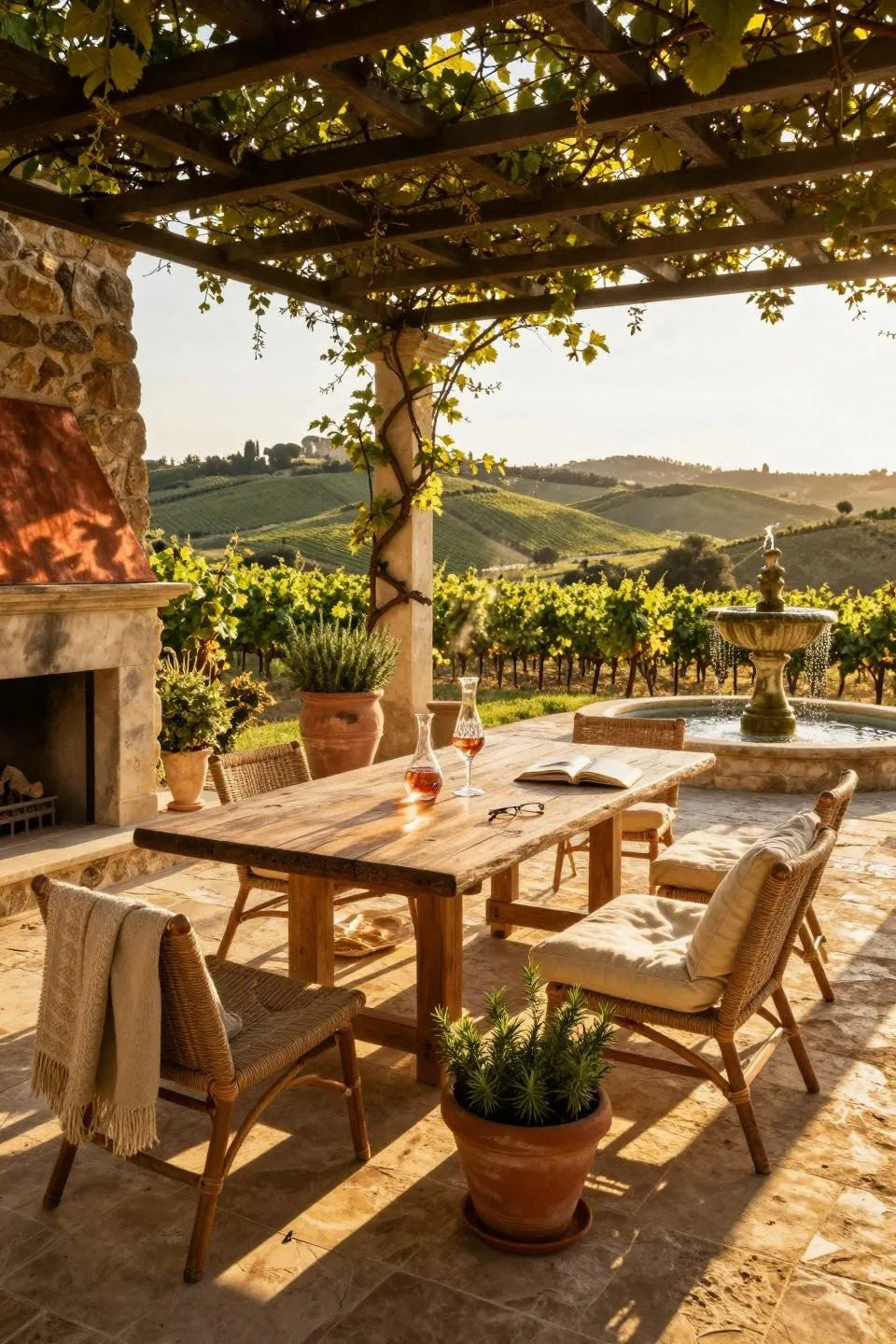
Located in the surrounding countryside, this spot provides panoramic views of rolling hills perfect for photos after securing your siena pizza cooking class tickets.
Participating in a siena pizza cooking class provides an immersive way for families to connect with Italian culinary traditions. These hands-on sessions allow children to learn dough preparation and ingredient selection in a relaxed environment.
Kitchen workspaces vary across city center venues and surrounding farms, so compact strollers are recommended for easier navigation. Please note that storage space for larger strollers is often limited during your siena pizza cooking class tour.
Children usually enjoy the tactile nature of flour and dough, making this a tactile activity for various ages. Many siena pizza cooking class tours suggest participants be tall enough to reach the work surface comfortably.
Most cooking locations are rustic properties; while some have basic restrooms, dedicated baby-change facilities are not guaranteed. Confirm specific venue amenities before booking your siena pizza cooking class tickets to ensure they meet your family needs.
These sessions involve active ingredient prep, so choose a slot within the 09:00–18:00 arrival window to ensure little ones are well-rested. Taking a break for fresh air between dough kneading and oven time helps maintain a positive experience for everyone.
Finding a quality meal near your siena pizza cooking class is straightforward, as the city center offers numerous authentic Tuscan trattorias and pizzerias within walking distance. Whether you seek a quick bite after your siena pizza cooking class tour or a relaxed dinner, the surrounding streets provide ample culinary variety.
Known for hand-made pasta and an extensive wine cellar carved into rock. It is a popular spot, so securing siena pizza cooking class tickets in advance often pairs well with a dinner reservation here.
Everything you need to know for your journey
Yes, many siena pizza cooking class operators offer reduced pricing for children.
You can attend a siena pizza cooking class any day between 09:00–20:00.
Some countryside providers offer transfers for your siena pizza cooking class, though city center classes are self-reach.
Look for hands-on, small-group sessions for the best experience at your siena pizza cooking class.
The entrance fee is 0 EUR; fees only apply to booked participants for a siena pizza cooking class.
Private bookings are a popular way to enjoy a personalized siena pizza cooking class experience.
Most full-day or meal-included options for a siena pizza cooking class feature local Chianti wine.
The city center is pedestrian-friendly, making it easy to reach your siena pizza cooking class on foot.
Plan for 3–4 hours for a comprehensive siena pizza cooking class experience.
Medieval shell-shaped square famous for the Palio.
Historic residence in the heart of Siena.
Join thousands of happy travelers who have discovered this incredible experience
Book Your Experience Now